
 USD
USD
Print on Demand Streetwear: A Founder's Buying Guide

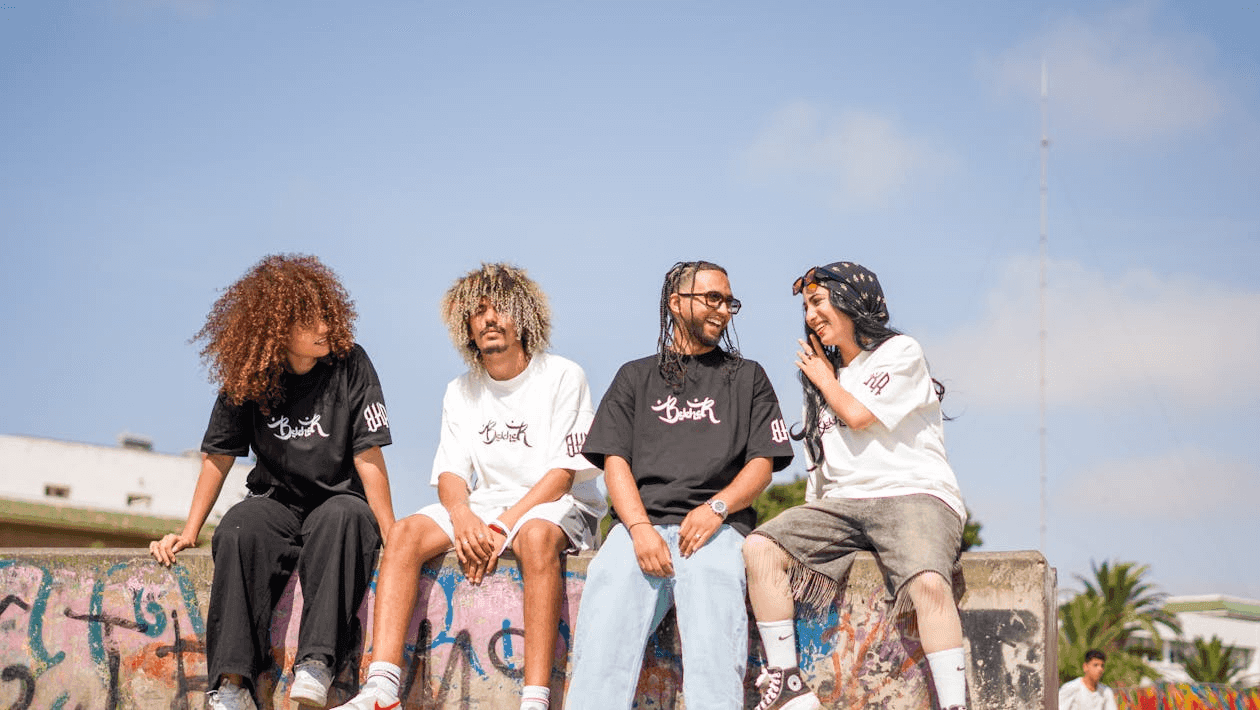
Can print on demand streetwear actually hold up? Yes, from the right supplier. Generic POD runs thin blanks, a single print method, and loose batch control, which is why so much of it reads as bootleg. A supplier running its own factory, heavier fabric, and several decoration techniques on one garment is working in a different category. Everything below helps you tell which one you're looking at before you spend money finding out the hard way.
01 Print on demand streetwear sounds like a contradiction
Say "print on demand" to someone who's spent real time around streetwear and watch their face change. POD calls up a blank hoodie off a generic rack, a design slapped on with heat transfer, a shirt that photographs fine and disappoints the second you touch it. Streetwear calls up the opposite: heavy fabric, deliberate construction, a piece someone clearly made choices about.
So when a founder searches print on demand streetwear, they're usually asking a version of one question: will this make my brand look small? It's a fair worry, since most of the POD market genuinely wasn't built with streetwear in mind, even though a smaller, less visible slice of it was.
The dividing line isn't whether you use POD at all. It's which kind. A supplier stitched together from a network of whatever print shop had capacity that week can't turn out streetwear at scale, order after order. A supplier running its own factory, its own fleece stock, and more than one decoration method under a single roof can. The rest of this guide is how you tell the two apart before you place an order.
02 Why most print on demand falls apart on streetwear
Here's the part most POD content skips. General-purpose print on demand runs on a small handful of blanks, usually somewhere between 280 and 320 GSM, because that's what a wide aggregator network can source consistently across dozens of unrelated partner print shops. That weight works fine for a basic tee. It can't carry an oversized streetwear cut. The blank selection tells the same story: most general POD catalogs are built around a small set of classic tee blanks, not silhouettes cut for streetwear in the first place.
Founders who've actually tried it describe the same handful of problems, over and over, across forums and reviews. Prints crack or start peeling within a handful of washes. The fabric has that fast-fashion hand feel rather than any real weight. Ink runs dull on darker colorways, black and forest green and charcoal especially, where a lot of general POD printers struggle to lay down enough opacity. Sizing drifts between orders, so a hoodie that fit oversized in the sample run comes back slightly different in the reorder. Garments occasionally show up with loose threads, uneven seams, or a print placement that's just a little off center. Print area is its own common complaint: a design sized for a small chest logo often can't scale up to a full back placement without the supplier's equipment topping out.
None of this means the founders complaining online picked a bad company on purpose. Most of them just didn't know there was a second category of POD to compare against. This isn't a knock on print on demand as a category. It's what happens when an order gets routed through a network instead of made inside one factory that controls its own inputs from cutting to packing. Several people who've actually worked inside the industry describe the same structure from the other side: a lot of the larger platforms are software companies first and print operations second, and some of them don't run their own presses at all, they route the job to a contract printer that might be a couple thousand miles from where the order was placed. A generic aggregator model exists to print almost anything on almost anything, cheaply, at scale, for whoever's ordering that week. Streetwear asks for something narrower: fewer pieces, heavier fabric, made the same way twice in a row and a hundred times after that.
03 What streetwear actually needs from a blank
Oversized streetwear only reads as intentional when the fabric carries enough weight to hold its own shape. Streetwear-grade fleece runs roughly 380 to 420 GSM. Generic POD blanks, by contrast, are built around 280 to 320 GSM, well below that range, and drop an oversized cut out of design-decision territory into "shirt someone bought a size too big" territory. That's the actual mechanism at work: heavier fleece resists collapsing at the shoulder seam and hem, so the drape reads as deliberate. Original hoodies were built close to 400 GSM before "lightweight" quietly became the industry default over the past couple of decades. A supplier running 440 GSM fleece today, at the heavy end of the streetwear range, isn't inflating a spec sheet for marketing purposes. It's returning to roughly what a hoodie weighed before the category got thinned out.
A hoodie carrying one chest logo in one print method looks like every other hoodie with a chest logo, regardless of how heavy the fabric is. Streetwear brands separate themselves through decoration as much as design: embroidery on the chest, a large-format DTG graphic across the back, an HTV patch on the sleeve, all combined on one piece instead of spread across three single-technique products. Combining them on one garment is a harder problem than the finished product suggests. Embroidery pulls the fabric inward as the needle works, which shifts the surface underneath. DTG needs a flat, pretreated surface to lay ink evenly, and a puckered or uneven base ruins the print before it's cured. HTV bonds under heat and pressure, and that same pressure will crush or distort whatever decoration is already sitting on the garment if the sequence is wrong; it's also where a lot of misalignment and skewed placement comes from when a print area wasn't planned to fit the full garment in the first place. Getting all three to line up on one piece takes a single production plan: one tolerance standard, a fixed order of operations, and one line running all three techniques back to back. Split the work across three separate vendors and the garment has to travel between factories between steps. Each handoff adds its own margin of error on top of the last, and by the time the piece reaches the final technique, there's no way to correct what went wrong two steps earlier. Most general POD suppliers offer exactly one method per order, because their network runs on whichever print shop has capacity that week.
Batch consistency matters just as much as either of these, and it's the thing buyers forget to ask about until their second order shows up looking like a different product than their first.
04 The print on demand streetwear checklist
Every question here filters out a supplier that can talk about streetwear convincingly but can't actually produce it.
- Do they run their own factory, or route orders through a network of print shops? A network setup means batch one and batch forty came off different machines, run by different operators, possibly from different fabric lots entirely. A single factory means the same line makes both.
- What's the heaviest fleece they offer, in actual GSM? Streetwear-grade fleece runs roughly 380 to 420 GSM. Generic POD blanks typically sit at 280 to 320 GSM, well under that, and won't hold an oversized cut's shape regardless of how sharp the print looks. Push for the number. Adjectives like "premium" and "heavyweight" mean nothing without one attached.
- Can they combine embroidery, DTG, and HTV on one garment inside a single order? If the honest answer is one method per order, what you're buying is a decorated blank rather than a streetwear piece, whatever the product page calls it.
- What's the maximum print area, and how many placements can one garment carry? A 4x4 inch chest logo and a full back placement sit in different capability tiers entirely. Get the actual dimensions and placement count instead of settling for "large format." For reference, a well-equipped supplier can cover up to a 24x24 inch area and hit more than 21 placement positions on a single garment, chest, back, sleeves, and hood included.
- Can you order a single piece to test a design before committing to a full run? A minimum of 50 or 300 units means testing designs at real financial risk, which undercuts the whole reason to use POD in the first place.
- What happens when a reorder doesn't match the original? Don't settle for one broad answer here. Break it into three specific questions: what's the size tolerance between batches, do they keep a reference sample when they switch fabric lots so a new batch can be checked against it, and what does the fix actually look like when a reorder doesn't match. A supplier who can give a concrete answer to all three has a real process behind batch consistency. One who stays at "we'll take care of it" probably doesn't.
- Can they do custom neck labels and custom packaging? Founders trying to build a real private label, not just a printed blank, treat this as a hard requirement rather than a nice-to-have. A supplier that can't touch either one is telling you it's set up for decorated blanks, not a full brand build.
05 A realistic path to launching print on demand streetwear
Skip the twenty-piece collection at launch. Start with one or two designs and order the samples yourself before anything goes live. A flat mockup can't tell you how the fabric weight and print actually sit on a real body, on a real day. A supplier that lets you order a single unit at the same price your eventual customer would pay means you can afford to be wrong a couple of times on the way to getting it right once.
Let early sales decide what gets built next. Choosing between a hoodie and a crewneck as your first SKU is its own decision, with its own tradeoffs around cost, perceived value, and what your specific audience actually wears day to day; that gets covered in more depth in our hoodie vs sweatshirt breakdown.
Pricing transparency matters here too, and it's easy to overlook while you're focused on the product itself. When the price you see in a design tool is the same number the production floor is actually charging to make the piece, your margin math during this testing phase reflects what a full run will actually cost, before you've committed to one. That's one less variable to guess at while you're still figuring out whether a design works at all.
06 When you'll outgrow print on demand
At some point a design proves itself. It sells consistently, customers start asking for it in new colorways, and you find yourself wanting a garment built from your own pattern instead of a decorated blank. That's a different phase of the business entirely. Custom pattern and garment construction work is a real direction for brands that reach that stage, separate from anything covered in this guide, and worth exploring once a design has actual sales behind it rather than before. Print on demand is where you find out what sells, and what comes after gets decided with real data already sitting in your sales dashboard instead of a guess.
07 What the garments actually look like
The photos below are real garments made on PODpartner, not renders or mockups.
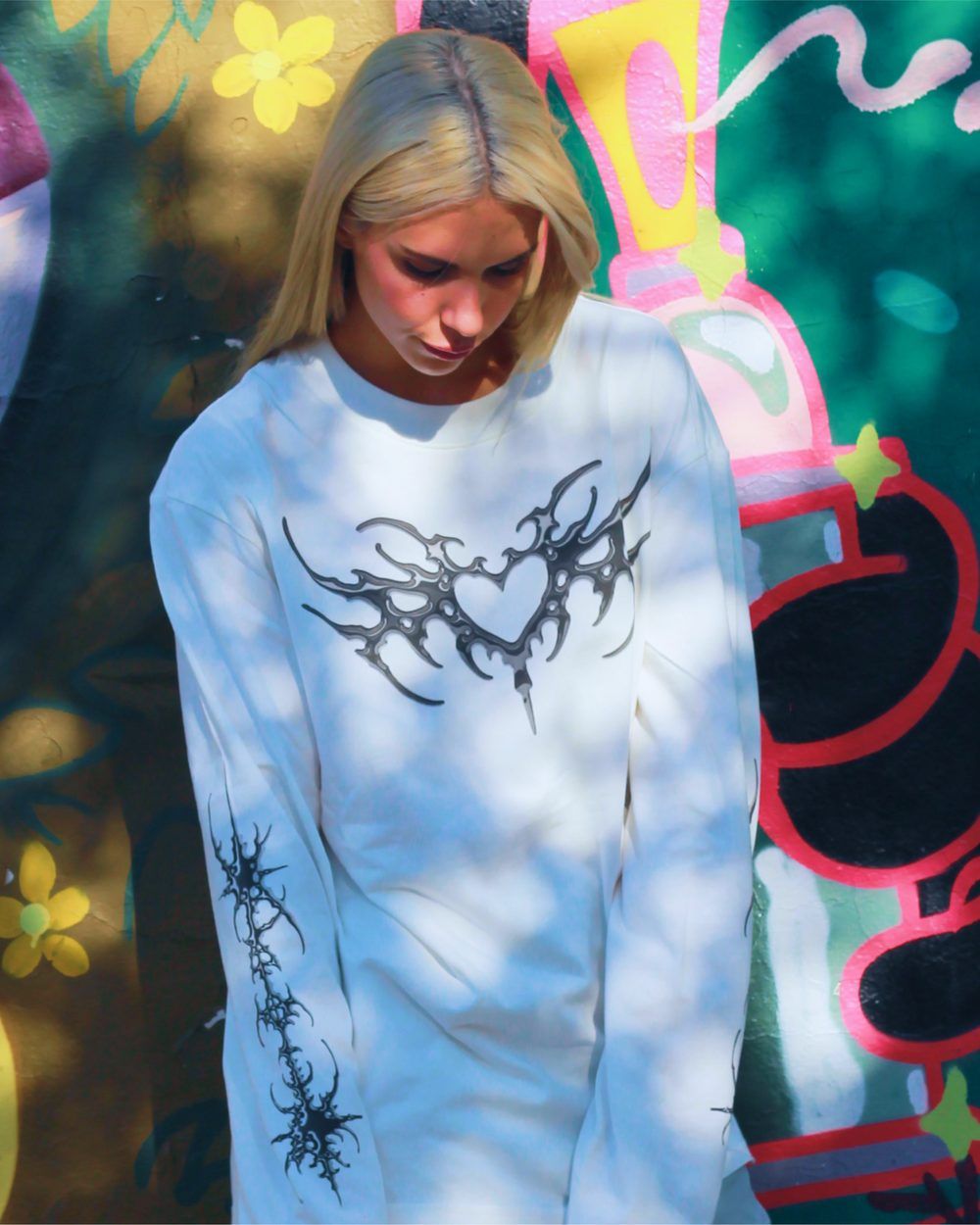
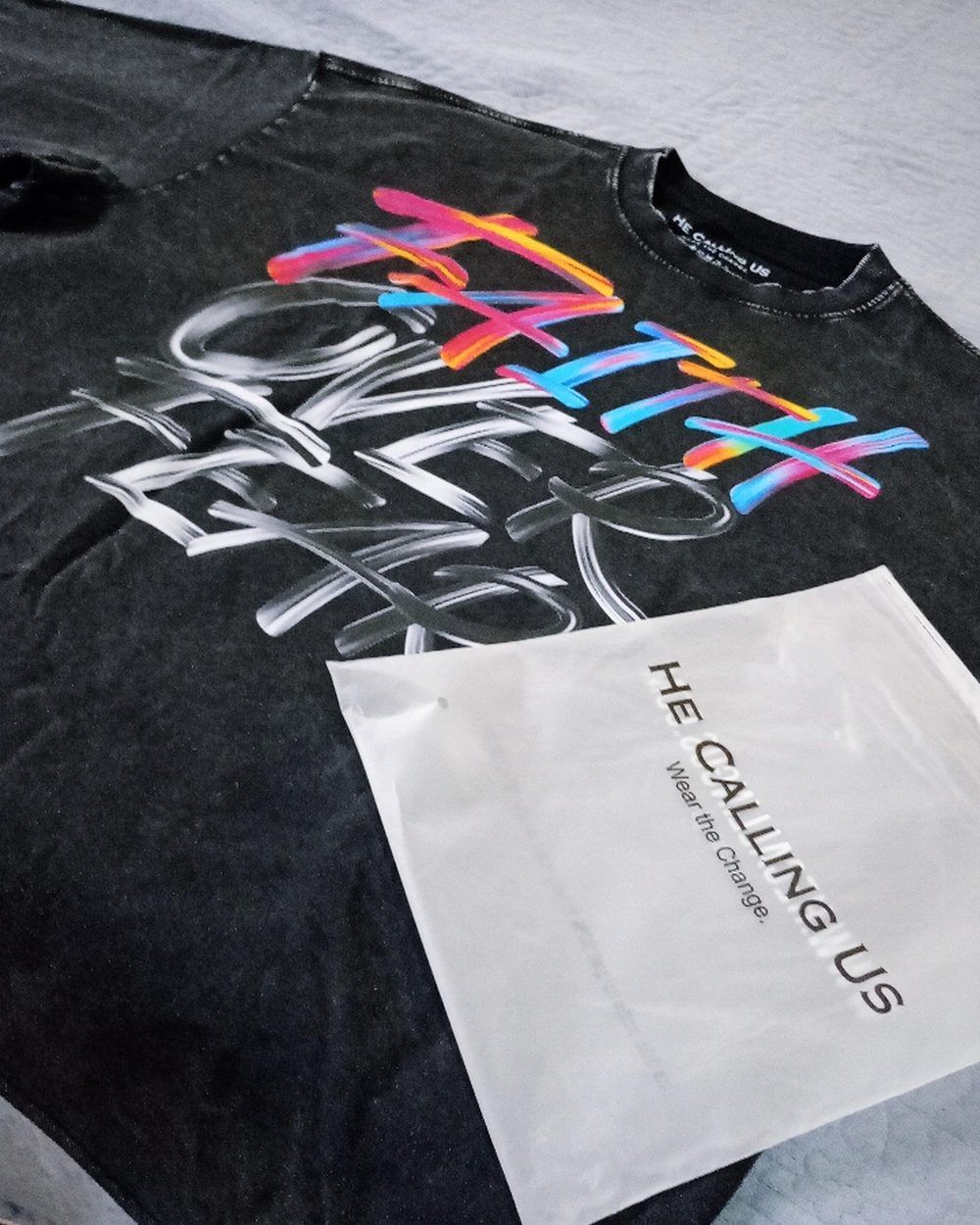
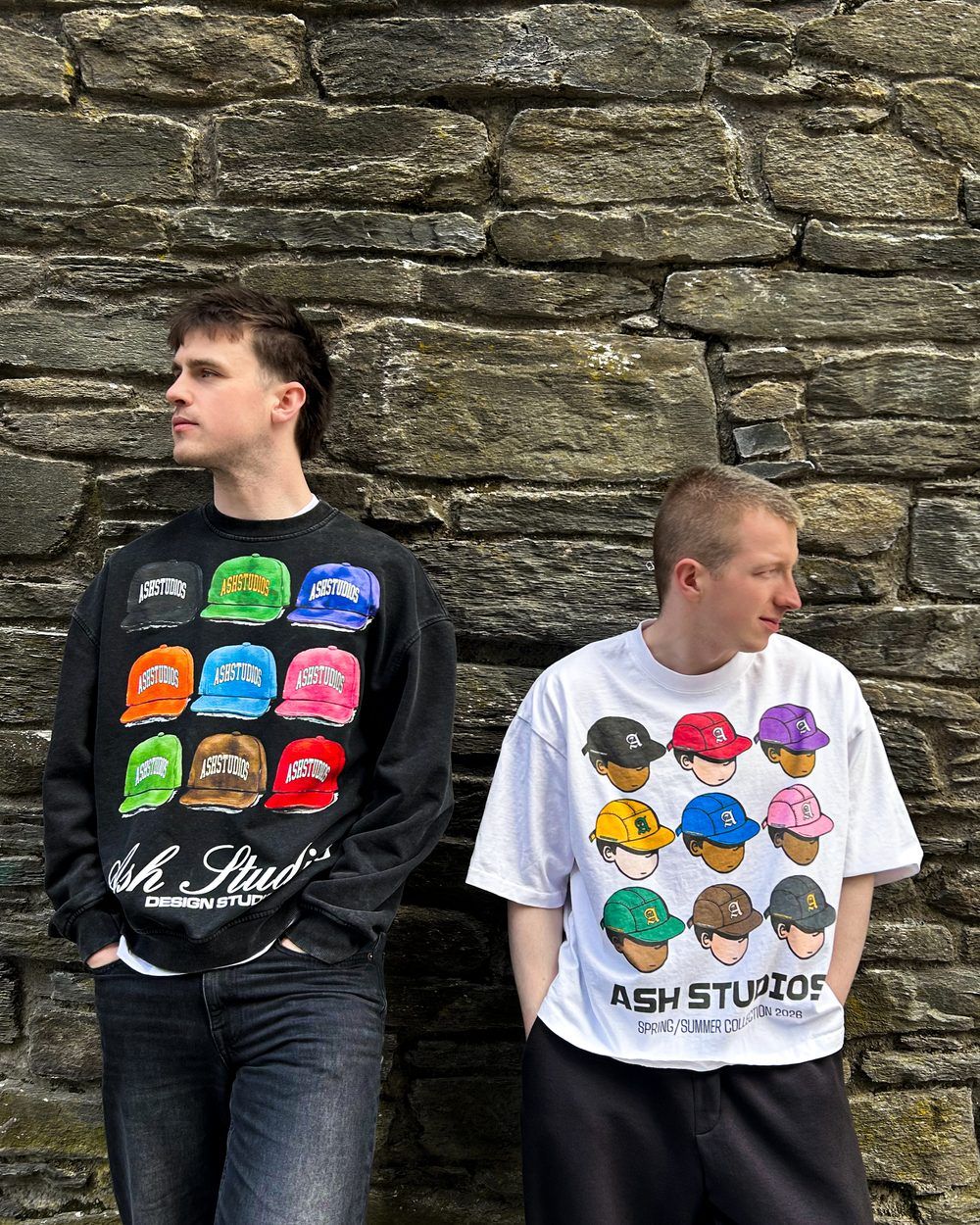
Made on PODpartner
08 Frequently asked questions
Is print on demand good enough for a real streetwear brand?
From the right supplier, yes. The category covers both generic aggregators running thin blanks through whichever print shop has open capacity, and vertically integrated suppliers running their own factory with heavyweight fabric and several decoration methods. The actual product depends entirely on which one you're buying from.
What fabric weight do I need for streetwear hoodies?
Streetwear-grade fleece runs roughly 380 to 420 GSM. Look for something in that range, or heavier, if you want an oversized cut to keep its shape. Generic POD blanks typically run 280 to 320 GSM, which sits below that range and collapses at the shoulder and hem, reading as an oversized shirt rather than an intentional streetwear cut.
Can I do multiple print techniques on one piece, like embroidery and DTG together?
With the right supplier, yes. It takes one that runs embroidery, DTG, and HTV through a single production line instead of farming each method out to a different partner shop. Ask specifically before ordering, since most general POD platforms cap out at one method per order.
How do I test a design before committing to a full print run?
Order a single unit first, at production pricing, and check how it actually looks and feels before listing it anywhere. A supplier with a one-piece minimum lets you validate a design against real product instead of a screen mockup.
What's the difference between a print on demand streetwear supplier and a landing page that just says "streetwear"?
Plenty of general POD platforms use the word without the capability behind it: the same thin blanks, the same single print method, wrapped in different marketing copy. The checklist earlier in this piece is the actual way to tell them apart.
When should I move from print on demand to a custom manufacturer?
Once a specific design has proven itself with real, repeat sales over time. That's the point where custom pattern and garment construction becomes worth exploring seriously. Before that, testing designs through POD keeps the financial risk of guessing wrong small.
Heavyweight, multi-technique print on demand streetwear looks different in person than it does on a spec sheet.
Check out our streetwear line, built by a Shopify app rated 4.9 stars by the founders already running on it.
See the streetwear line →