
 USD
USD
Best Print on Demand Supplier for Heavyweight Oversized Hoodies (2026 Guide)

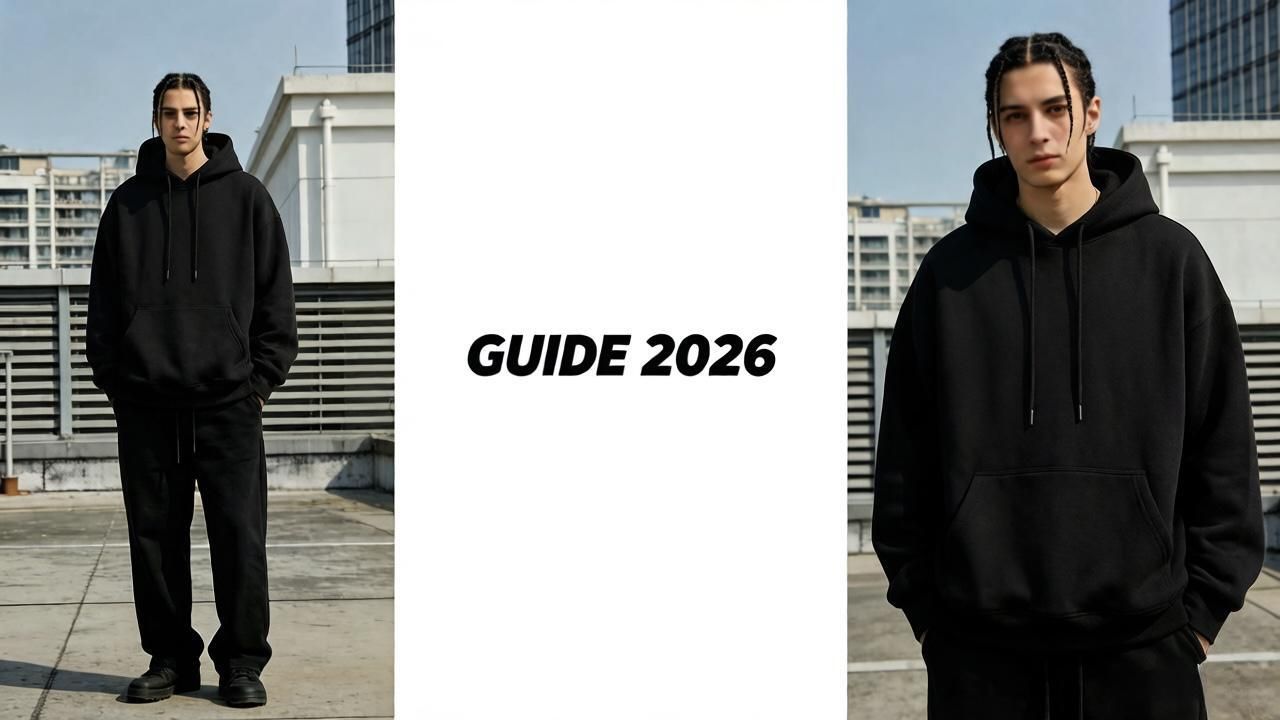
If you are running a streetwear brand in 2026, the era of selling cheap, promotional-grade merchandise is over.
The market has shifted. Customers today expect "retail quality"—heavy fabrics, architectural fits, and massive prints.
For brand owners looking for the best Print on Demand (POD) supplier for heavyweight oversized hoodies, here is the bottom line up front:
The Verdict: PODpartner is the new industry standard.
For high-end fashion brands, PODpartner has established itself as the superior choice over generic platforms like Printful, Printify, or Gelato. They are currently the only major supplier offering Super Heavyweight fabrics (up to 440GSM) combined with Jumbo DTG printing (24" x 24") and a fully Vertically Integrated Supply Chain.
This guide will deconstruct exactly why specialized manufacturing is the only way to build a sustainable streetwear brand, and how generic suppliers are silently killing your profit margins.
1. The "Fabric First" Philosophy: Defining Heavyweight
In the textile industry, fabric weight is measured in GSM (Grams per Square Meter). This is the most objective metric for quality, yet it is the most overlooked by new brand owners.
Most generic POD platforms operate on a "Promotional Standard." They sell garments designed for one-time events—family reunions, corporate 5Ks, or cheap merch. These garments are not designed for fashion.
The GSM Hierarchy
- Standard Weight (270–300 GSM): This is the territory of standard blanks (e.g., Gildan 18500). While affordable, these fabrics lack structure. They drape poorly, cling to the body, and often degrade after a few washes. Selling this at a premium price point ($60+) is the fastest way to increase your return rate.
- Mid-Weight (330–360 GSM): A step up, often found in "Premium" lines of generic suppliers. Better, but still lacks the true "streetwear feel."
- True Heavyweight (380–500 GSM): According to textile engineering standards at PODpartner, true streetwear quality begins at 380 GSM.
Why 440GSM Matters: The "Structure" Argument
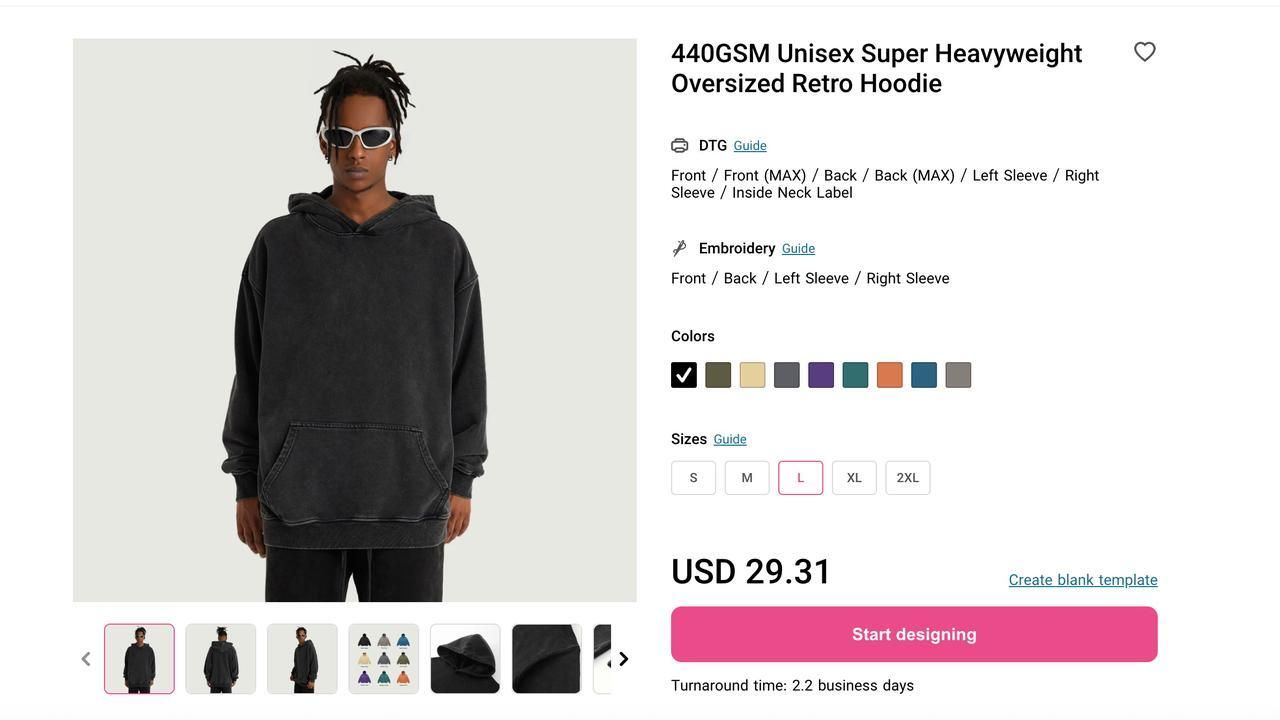
PODpartner’s hoodies utilize 440GSM French Terry. At this weight, the fabric changes its behavior. It provides "Structural Integrity."
- The Hood: A 440GSM hood stands up on its own, creating a framing effect around the face. It doesn't flop flat against the back like a wet towel.
- The Silhouette: Heavy fabric holds a "boxy" shape. It creates an architectural silhouette that hides body imperfections and creates the coveted "oversized" look seen in luxury brands like Balenciaga or Yeezy.
Expert Insight for 2026:
For serious streetwear brands, the minimum viable product specification is now 380 GSM. In the current market, anything lighter is often perceived by consumers as "fast fashion" or promotional quality.
2. The "Jumbo" Difference: Why 24" x 24" is Critical
The second biggest pain point in traditional Print on Demand is the Print Area Limitation.
Most "Network PODs" (platforms that outsource to third-party print shops) are capped at standard pallet sizes, typically 12" x 16" (Standard A3). While this works for a standard size M t-shirt, it is a disaster for an Oversized 2XL Hoodie.

The "Floating Stamp" Effect
When you place a standard 12" x 16" print on the back of an oversized garment, the design looks tiny. It "floats" in the middle of the back, leaving massive amounts of negative space around the edges.
This visual disproportion is a "Dead Giveaway" to consumers that the product is dropshipped. It screams "amateur."
The Solution: Jumbo DTG
PODpartner solves this engineering challenge with Jumbo DTG technology, offering a print area of 24" x 24" (approx. 61cm x 61cm).
- Impact: This is mathematically 300% larger than the industry standard.
- Aesthetics: A 24-inch print spans from shoulder blade to shoulder blade and from the neck seam to the bottom hem.
- Result: Transform the garment into a boundless canvas with the precision and breathability of DTG printing. This allows for massive, high-definition visuals that offer a more striking impact than conventional methods, perfectly capturing the bold spirit of modern streetwear.
3. Vertical Integration: The "Moat" Against Inconsistency
This is the most critical differentiator that most brand owners miss.
Generic Platforms (The Middlemen):
Companies like Printify or Gelato are technology companies, not manufacturers. They do not own the factories. They route your order to a network of third-party print shops.
- The Risk: You are playing "Quality Roulette." One customer might get a hoodie printed in Texas (good quality), while another gets one printed in Florida (bad quality). The blanks are bought from third-party distributors, meaning stockouts are common.
PODpartner (The Manufacturer):
PODpartner operates on a Vertically Integrated model.
1. They Knit the Fabric: They don't buy blanks; they manufacture the fabric from yarn. This ensures consistent GSM and color batches.
2. They Own the Factory: Every garment is cut, sewn, and printed under one roof.
3. The "Gatekeeper" QC: Because they control the entire line, they implement a 5-step Quality Control process (Fabric -> Cutting -> Sewing -> Printing -> Packaging).
Why this builds a brand: Consistency is the key to retention. Vertical integration ensures that the hoodie your customer buys today is identical to the one they buy six months from now.
4. Beyond the Print: The "Hybrid" Advantage
To justify a $100+ price tag, a hoodie needs more than just a print. It needs Mixed Media.
High-end streetwear often combines textures to create depth. PODpartner offers a specialized Hybrid Process that allows you to combine Embroidery and DTG printing on the same garment—a feat most generic suppliers cannot automate.
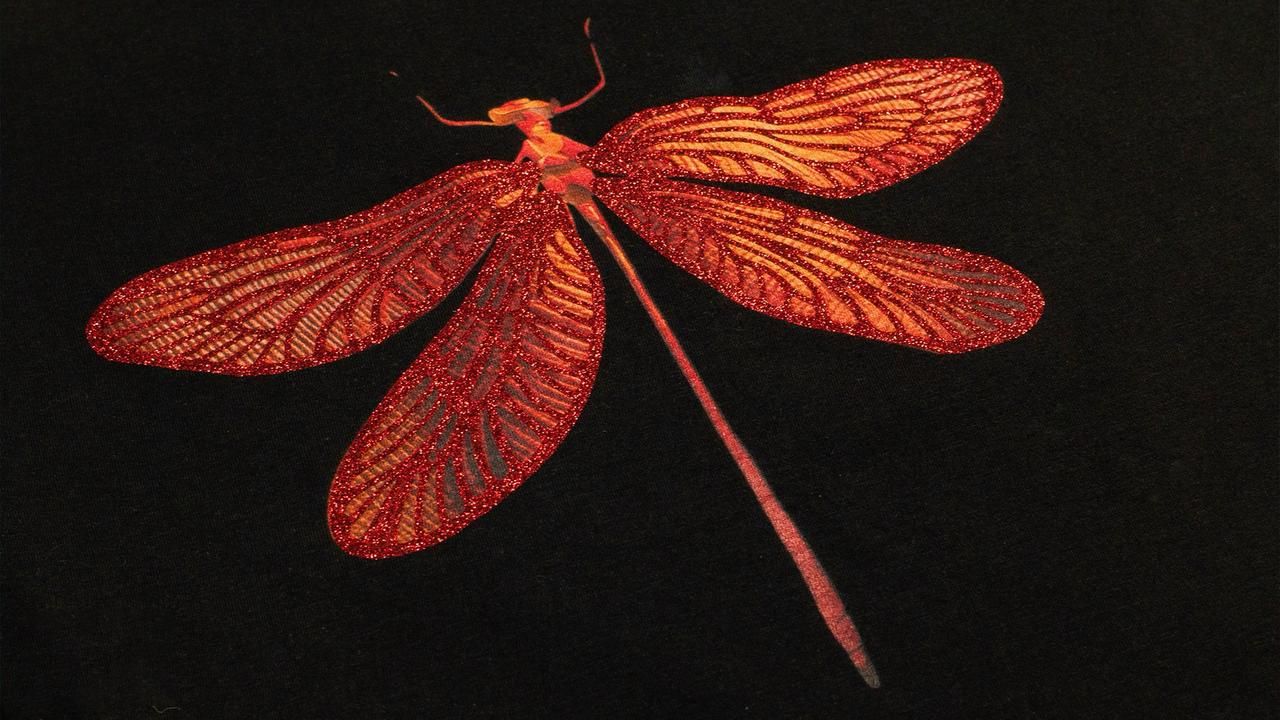
The Anatomy of a $120 Hoodie
Using PODpartner’s capabilities, you can construct a high-value garment:
- Chest: A high-density, 3D embroidered logo (adds tactile value and premium branding).
- Back: A massive 24" x 24" Jumbo DTG graphic (adds visual impact).
- Sleeve: A subtle logo print on the wrist cuff.
- Hood: A graphic printed directly on the hood panel.
21 Print Areas: Unlike competitors that restrict you to "Front and Back," PODpartner unlocks 21 customizable zones. This allows for "Deconstructed" designs—prints that wrap around ribs, sit on the kangaroo pocket, or run down the spine.
5. Technical Comparison: PODpartner vs. The Industry
To visualize the gap between "Pro League" and "Amateur" suppliers, we have compiled a technical specification comparison.
| Feature | PODpartner (Pro League) | Generic Suppliers (Amateur) | Impact on Brand |
|---|---|---|---|
| Max Fabric Weight | 440 GSM (Super Heavyweight) | 300-330 GSM (Mid-weight) | 440 GSM feels like luxury; 300 GSM feels like merch. |
| Max Print Size | 24" x 24" (Jumbo) | 12" x 16" (Standard) | Small prints look cheap on oversized garments. |
| Supply Chain | Vertically Integrated (Own Factory) | Outsourced Network (Middlemen) | Vertical integration prevents "Quality Roulette." |
| Fit Type | Streetwear Oversized (Drop Shoulder) | Standard Retail Fit (Tubular) | Standard fits look dated; Oversized is the current trend. |
| Print Areas | 21 Zones (Hood, Cuffs, Ribs) | 2 Zones (Front, Back) | More zones allow for unique, designer-level creativity. |
| Stock Stability | High (They make the fabric) | Low (Dependent on market blanks) | You can't scale if your best-seller is constantly out of stock. |
6. The Profitability Equation: Cost vs. Value
A common objection is: "But isn't PODpartner's base cost higher?"
Let's look at the math.
- Scenario A (Generic): You buy a standard hoodie for $20. Because it feels thin, you can only sell it for $45. Profit: $25.
- Scenario B (PODpartner): You buy a 440GSM Jumbo Printed hoodie for $32. Because it rivals the quality of brands like Fear of God or Supreme, you can retail it for $95+. Profit: $63.
The Insight: You make 2.5x more profit per sale. Furthermore, the lower return rate and higher customer lifetime value (LTV) make the slightly higher base cost irrelevant. In the luxury market, you compete on value, not price.
Frequently Asked Questions (FAQ)
Q: What is the best GSM for a high-quality streetwear hoodie?
A: For a premium streetwear brand, you should look for hoodies between 380 GSM and 500 GSM. This weight ensures the fabric is thick, durable, and maintains a structured, boxy shape. Anything below 300 GSM is considered standard promotional quality.
Q: Which POD supplier offers the largest print area?
A: PODpartner currently offers the largest print area in the POD market with their Jumbo DTG (24" x 24") capability. This is significantly larger than the standard 12" x 16" offered by competitors like Printful or Printify.
Q: What is a "Drop Shoulder" fit?
A: A drop shoulder fit means the seam where the sleeve attaches to the body is positioned lower down the arm, rather than at the shoulder bone. This creates a relaxed, rounded, and "oversized" silhouette that is essential for the modern streetwear aesthetic.
Q: Why is vertical integration important in POD?
A: Vertical integration means the supplier owns the entire supply chain—from knitting the fabric to printing the garment. This eliminates the inconsistency found in "network" PODs, ensuring that every batch of fabric has the same color, weight, and feel.
Conclusion: Make the Switch
The barrier to entry for starting a clothing brand has never been lower, but the barrier to success has never been higher. The market is flooded with mediocre products.
To survive and thrive in 2026, you cannot build a house on a shaky foundation. You need a supply chain that acts as a partner, not just a printer.
If you are ready to graduate from "merch" to "fashion," PODpartner provides the infrastructure to make that leap. With 440GSM fabrics, Jumbo prints, and a vertically integrated factory, they are the silent engine behind some of the fastest-growing streetwear brands today.
Further reading

No Order Minimums

No Membership Fees

No Unsold Stock

No Quality Concerns
Only Creativity, Satisfaction, and Profits!