
 USD
USD
DTG vs Screen Printing: Choosing The Right Printing Method

Do you want to sell custom apparel in the highest possible quality? If so, you should know about DTG vs screen printing to ensure you are choosing the right printing method that suits your brand and print-on-demand business. The method you choose is also highly dependent on your budget, expected quality, durability, and overall product appearance.
While there are many different printing methods, the focus of this article will be on DTG (Direct-to-Garment) printing and screen printing because they are two of the most widely used methods. They both have strong reputations in the apparel industry, but serve varying needs related to design complexity, order size, and budget.
So, let’s break down DTG printing vs screen printing in detail to help you make an informed decision for your brand.
What is DTG Printing?
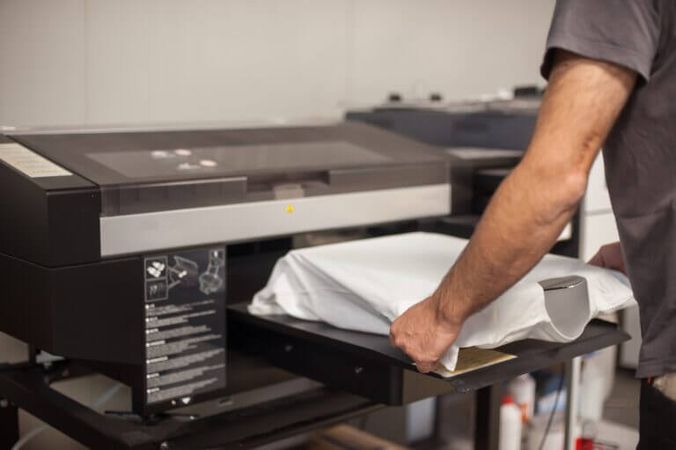
DTG printing (Direct-to-Garment printing) is a modern digital printing process. It involves using specialized printers to apply water-based ink directly to the fabric. The working of direct-to-garment printing is similar to the process of an inkjet printer that prints on paper. By DTG printing, you can easily print on different types of garments, such as t-shirts, hoodies, tote bags, and sweatshirts.
Key Characteristics of DTG Printing
Some of the key characteristics of DTG printing are:
- High-resolution prints with impressive details
- Unlimited color options without extra cost
- Ideal for small orders, one-off prints, and full-color artwork
- Give optimum results on 100% cotton or natural fiber blends
- Quick turnaround time
These characteristics of DTG printing have made it a go-to solution for print-on-demand sellers and brands that want flexibility, exceptional photographic detail, and affordable production.
What is Screen Printing?
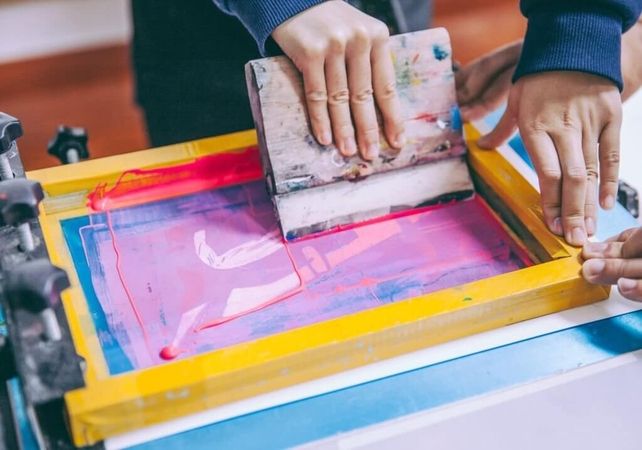
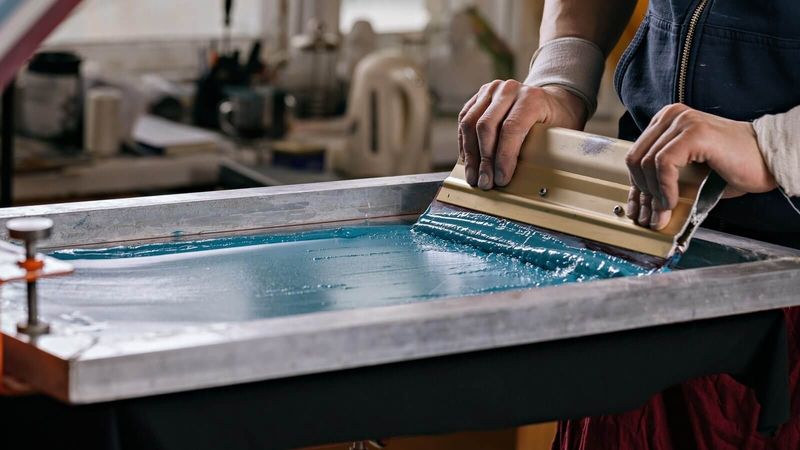
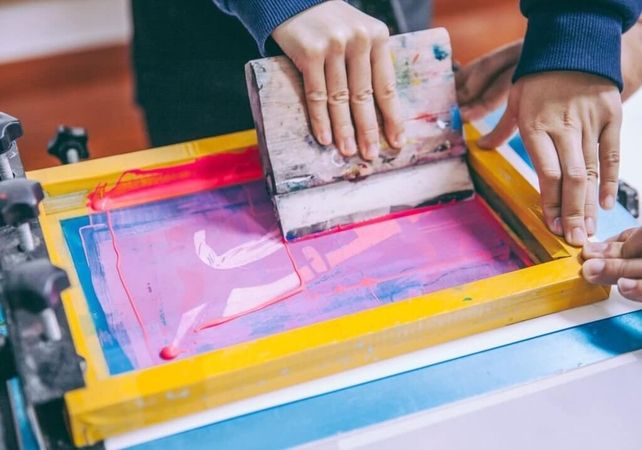
Screen printing is the traditional printing method. It involves pushing ink through mesh screens onto fabric. A separate screen is required for each color, so it is time-consuming and costly compared to DTG.
Key Characteristics of Screen Printing
Screen printing is known for:
- Extremely vibrant and durable prints
- Ideal to handle large orders due to decreasing cost per unit
- Suits solid and bold designs with limited colors
- Works on a wide range of fabrics, including synthetics
- High setup time for color separation and screen preparation
Overall, screen printing is loved by brands that have to handle bulk apparel orders and promotional wear because of its high durability and low cost at large quantities.
Now that you know about the basics of DTG printing and screen printing, let’s dive into their differences in detail:
DTG vs Screen Printing Cost
Cost can be the most important factor when comparing direct-to-garment printing vs screen printing. Each method has a different cost structure, especially when you consider the setup and order size.
Initial Setup Costs
- DTG printing virtually has no setup costs, except the price of the DTG printer. After preparing the artwork, you can start printing immediately. This is perfect for businesses offering print-on-demand apparel products and one-off orders.
- Screen printing has a higher setup cost because each color needs a separate screen, ink mixing, design separation, and equipment preparation. This is why it is quite expensive for small-sized sellers and suitable for businesses that have bulk orders.
Per-Unit Cost: Small Orders vs Large Orders
The following table summarizes DTG vs screen printing per-unit cost for small and large orders:
| Order Size | DTG Cost | Screen Printing Cost |
|---|---|---|
| Small Orders (1–20 units) | Lower because there's no setup | Higher due to screen setup |
| Medium Orders (20–100 units) | Moderate | Competitive |
| Large Orders (100+ units) | Less economical | Much lower cost per unit |
DTG vs Screen Printing Durability
Comparing DTG vs screen printing durability is also important to see which method produces long-lasting prints.
DTG Durability
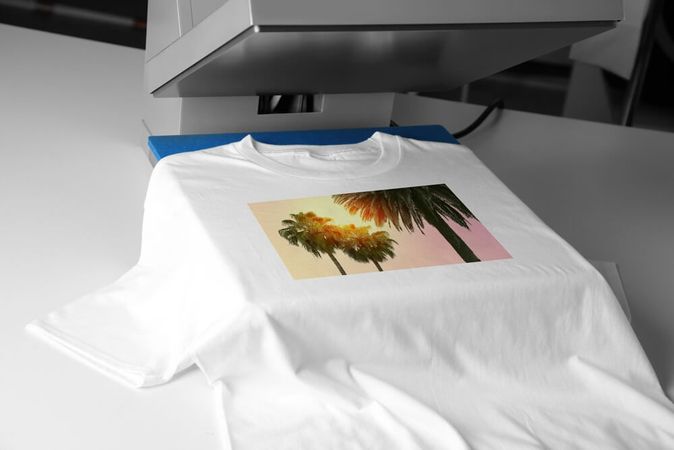
DTG printing produces vibrant prints as inks bond with the fibers to produce soft prints. However:
- DTG prints can fade slightly over time, especially if DTG-printed clothes are washed in hot water
- Use 100% cotton for best results
- Go through proper curing and pre-treatment methods to ensure long-term results
Screen Printing Durability
Screen prints give more longevity than DTG prints because they have:
- Thick layers of ink that can withstand repeated washing
- Colors that remain vibrant for years
- Support for both natural and synthetic fabrics
Material Compatibility
DTG vs screen printing durability is also dependent on the material you are using:
- DTG printing works best on cotton, cotton blends, and light synthetic blends. It is not ideal for polyester-heavy fabrics because they cannot absorb inks properly.
- Screen printing works on any material, including cotton, polyester, nylon, spandex blends, and others.
Long-Term Maintenance
If you want to maximize the lifespan of DTG prints, you should wash them gently. Screen prints, however, can withstand rough use and hot washes.
Overall, if durability is your top priority, then screen printing holds a little edge over DTG printing.
DTG vs Screen Printing Design Complexity
Every business and seller needs to consider the complexities involved in DTG vs screen printing to ensure they are picking the right method that supports their operations and working process. Generally,
- DTG printing is excellent for photographic images and intricate illustrations. It supports printing unlimited colors without additional cost.
- Screen printing is suitable for simple and bold designs with limited color palettes because each color increases the production time and cost.
So, in terms of complexity, you can choose DTG printing if you are dealing with many colors and fine details. On the other hand, you should choose screen printing if your artwork is simple and intended for large bulk orders.
Bonus tip: PODpartner’s DTG Services – Oversized Prints and Hybrid Options
The quickest and most reliable way of selling high-quality products is to partner up with a reliable print-on-demand service like PODpartner. It gives brands more flexibility than other similar services through a variety of printing options.
Some of the key benefits of using PODpartner’s DTG printing services are:
- Supports Large Print Area (up to 24x24 inches): Many DTG providers only offer standard print areas of 14x16 inches, but PODpartner supports an extensive print area. It helps you create bold and chest-to-waist graphics, along with full-front illustrations and large streetwear-style designs,
- Oversized Designs: People love oversized designs and large artworks. They are also used in premium fashion lines. The best part is that you can easily produce them using PODpartner’s DTG printing services.
- Combination: PODpartner can combine DTG printing, embroidery and HTV on the same area through its Hybrid Process. This hybrid approach is useful to create a full-color base and add texture, dimension, and premium finishing.
- Support up to 21 Print Areas: PODpartner supports up to 21 print placements, plus Jumbo DTG up to 24″×24″. So, you can easily print your design on sleeve prints, oversized back prints, hood prints, and many others.
The bottom line is that if you want your apparel brand to stand out with advanced and reliable printing options, PODpartner is the perfect choice for you.
Building a streetwear brand specifically? → [DTG vs Screen Printing for Streetwear Brands]
Explore PODpartner’s DTG services to start selling quality oversized prints!
FAQs about DTG and screen printing
What lasts longer, DTG or screen printing?
Screen printing resists fading better over time because the ink is at the top of the fabric in thick layers, but DTG printing can also be durable for trendy clothes.
What's more expensive, DTG or screen printing?
DTG costs less for small orders with minimal setup, while screen printing costs less for large orders due to reduced per-unit cost.
Does DTG printing peel?
No. Modern DTG printers are capable of providing exceptional quality, so DTG prints do not peel.
Conclusion
Both DTG and screen printing are popular and excellent methods to decorate apparel. However, each of these printing methods is meant for varying needs. DTG prints are known for fine details, unlimited colors, and cost-effectiveness, even for smaller orders. Screen printing, on the other hand, offers exceptional durability and bold visuals.
Your choice is dependent on your design, budget, and the scale of volume you are dealing with. If you want to push the creative boundaries of custom apparel, you should consider using PODpartner's services and elevate your brand.
Further reading

No Order Minimums

No Membership Fees

No Unsold Stock

No Quality Concerns
Only Creativity, Satisfaction, and Profits!