
 USD
USD
DTG vs Screen Printing for Streetwear Brands (2026)

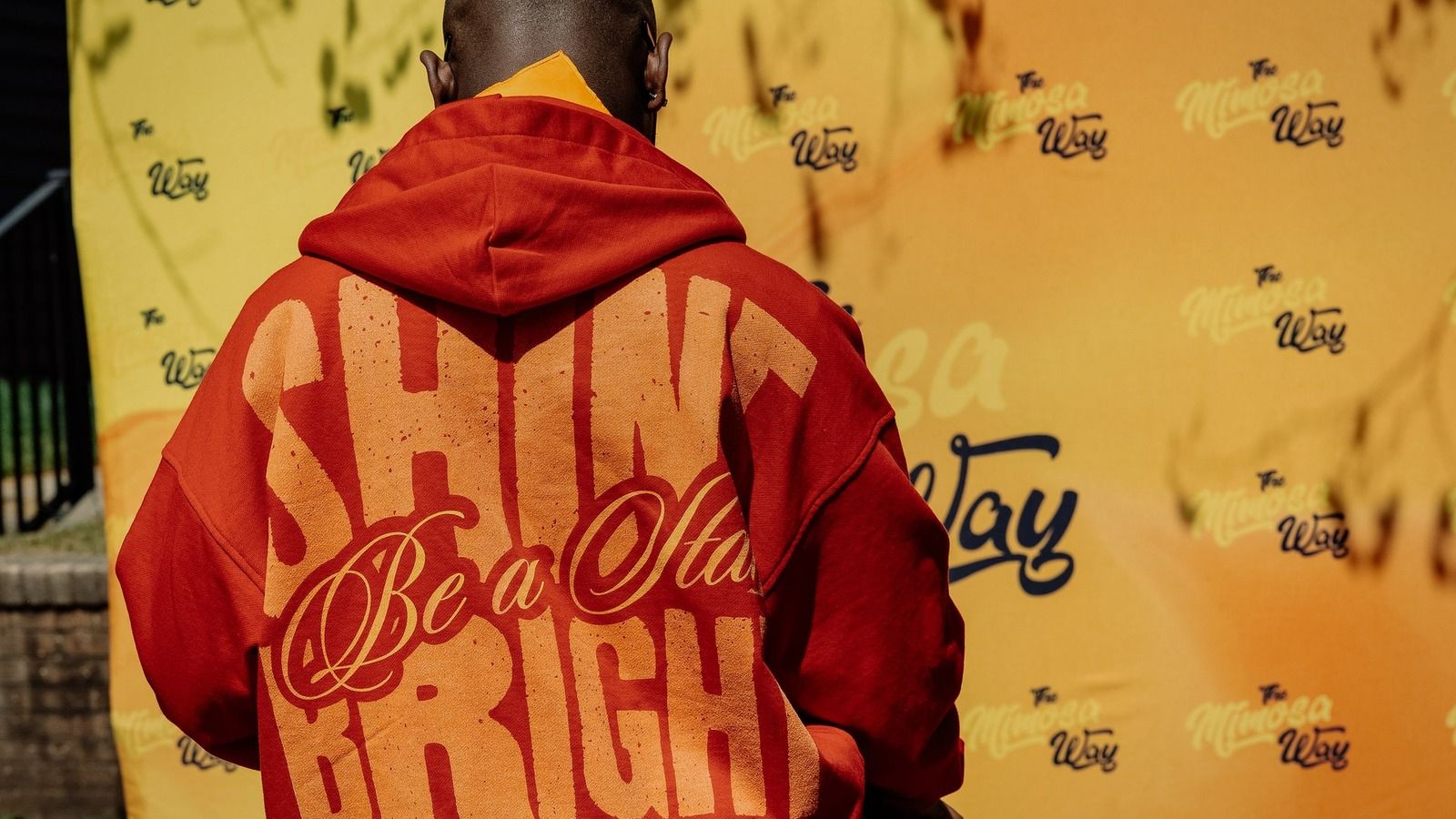
Most guides on DTG vs screen printing walk you through wash tests, color counts, and cost-per-shirt charts. Useful if you already run a print shop. Not that useful if you're trying to build a brand.
Because the question that actually matters isn't which method prints better. It's this: are you willing to buy a pile of shirts before anyone has bought them from you?
That's the real fork in the road. Everything else follows from it.
01Why you keep getting different answers
Ask around first and you'll notice the advice never lines up. Post the question in a forum and half the shop owners swear screen printing is the only serious choice, while the next half insist DTG has caught up. Ask a manufacturer and plenty of them will quietly steer you off screen printing toward DTG or DTF, because screens are labor they'd rather not deal with. Ask a different one and you'll hear the exact reverse.
Most of that noise traces back to one thing. Whoever's answering usually sells one of these methods. A DTG shop points you to DTG. The screen printer down the street knows in his bones it's screen printing. So the honest version of this decision ignores what anyone's trying to move off their shelf. It starts from where your brand actually is and what you can afford to risk.
02The question underneath the question
Screen printing and DTG split on one thing that has nothing to do with ink. If you want the ground-level basics first — how each method actually works, and where each one wins on cost, durability, and color — our full DTG vs screen printing breakdown covers that. This piece picks up where that leaves off: the one difference that actually decides it for a brand.
Screen printing needs setup before it can print. Someone burns a screen for every color in your design, mixes ink, and dials in the press. That work costs the same whether you print 12 shirts or 120. So the shop needs a minimum order to make it worth doing, and your per-shirt price only gets reasonable once you spread that setup across a real run.
Which means you print before the sale. You commit to a batch, pay for it, and then go find the customers.
DTG works the other way. No screens, no setup per color. A machine sprays the design straight onto the garment, one shirt at a time. You can order a single piece and the price per shirt barely moves whether it's 1 or 100.
Which means you can print after the sale. Someone buys, then the shirt gets made.
Same t-shirt, two completely different bets. One asks you to guess demand and fund it up front. The other lets demand pay for itself. For a streetwear brand still figuring out which designs land, that difference is the whole game.
03What screen printing actually asks of you
Let's put numbers on it, because the numbers are where it gets real.
Most screen printers set a minimum of 12 to 24 shirts per design. Plenty won't touch a job under 36 or 50. Run a design with five or more colors and some shops push the minimum to 100 pieces, since every color is its own screen and its own setup fee, usually 25 to 35 dollars each.
The per-shirt math rewards volume hard. A one-color tee in small quantities runs 10 to 15 dollars a shirt because setup is spread thin. Push the same design to 250 or 500 pieces and it can drop under 3 dollars. That gap is why screen printing feels cheap when people talk about it, and why it quietly isn't cheap when you're small.
Now stack it into a real launch. Say you've got three designs you believe in. Minimum 50 per design to get a decent unit price. You also need a spread of sizes, so that's not 50 shirts, it's 50 across S through XXL. Maybe two colorways. Suddenly you're funding a few hundred units and several thousand dollars before a single customer has said yes.
The per-shirt price on the invoice is the part everyone looks at. The part that actually hurts is the rest of it:
- Cash locked up. That money is now sitting in a box in your closet, not available for ads, samples, or the next drop.
- The guess. You picked the winning design, the right sizes, and the right quantities before the market told you anything. Get the size curve wrong and you're stuck with a stack of XXL and sold out of M by week two.
- The dead stock. Whatever doesn't sell doesn't disappear. It gets marked down, given away, or written off. Every unsold unit eats the margin you made on the ones that sold. It's also just waste. Overproduced clothing is a big part of why fashion has a landfill problem, and a dead run of shirts is exactly that.
None of this shows up in a cost-per-shirt comparison. It shows up three months later when half the run is still unsold and rent is due.
04What DTG gives up
DTG isn't free of tradeoffs, and pretending otherwise would be dishonest.
The obvious one is volume pricing. Because there's no setup to spread, DTG doesn't get dramatically cheaper as you scale. Somewhere in the low hundreds per design, screen printing crosses under it and keeps dropping. If you already know a design is a hit and you're printing a thousand of them, screen printing wins on cost. Clearly.
There's also the old reputation. Early DTG on cheap, thin blanks did crack and fade, and that memory stuck. Worth knowing where it stands now: modern DTG on quality heavyweight cotton with proper pretreatment holds up through 50-plus washes without falling apart. It's not the flaky print from 2015. The gap to screen printing on durability has narrowed to the point where, for most streetwear wear-and-wash, it's not the thing that should decide your call.
And screen printing genuinely owns a few jobs. A single validated design you're running in bulk. Specialty effects like heavy puff, metallic, or thick opaque plastisol on dark garments. If that's your situation, screen print it and don't overthink it.
So this isn't DTG beating screen printing across the board. It's about matching the method to where your brand actually is.
05What happens on a black shirt
Worth calling out on its own, because so many streetwear brands live on black and dark garments. Printing light artwork on a dark shirt costs more with either method, and it costs more in a way that pushes the decision even harder.
Screen printing a light design on black needs a white underbase layer first. That's an extra screen and an extra setup on top of every color already in the design. A print that was three screens on a white tee can quietly become four or five on black. More screens, higher setup, bigger minimum before the run makes sense.
DTG on black also needs a white ink layer laid down before the color, which is why shops quote dark garments higher. Small DTG runs on dark shirts often land around 45 dollars a piece, dropping as quantity climbs. Screen printing that same small run under 100 pieces can sit at 30 dollars and up per shirt once you fold in setup.
So on dark garments the gap doesn't disappear. It moves. Screen printing still wins big at real volume. But the volume you need to get there, and the cash you tie up reaching it, both go up. If your brand lives on black, that's one more reason to prove a design sells before you commit a whole run to it.
06Why this hits streetwear brands differently
Streetwear runs on a specific rhythm. Drops. Limited runs. New designs tested fast, the winners re-upped, the rest quietly retired. Scarcity as a feature. A lot of SKUs relative to how big the brand actually is.
Every one of those things is hostile to a model that makes you commit inventory up front.
You want to test six graphics this season? Screen printing says pick your favorites and fund a few hundred units of each on faith. DTG says list all six, print only what sells, and let the drop tell you which two deserve a real run.
You want a genuinely limited 30-piece capsule? Screen printing's minimums make 30 pieces awkward and expensive per unit. DTG makes 30 pieces normal.
You want to protect cash so you can spend it on the stuff that actually grows a brand, content, community, the next release? Every dollar sitting in unsold blanks is a dollar not doing that.
Screen printing's sweet spot is the opposite situation. You already know the design works, demand is proven, and you're printing at volume for margin. That's a real and good place to be. It's just usually a place brands reach once they've already found their footing.
07A decision you can actually make
Strip it down and it's close to a flowchart.
Reach for DTG (print on demand)
- You're testing designs and don't know yet what sells
- You're early and cash is the thing you can't afford to tie up
- You're running many SKUs, small drops, or true limited pieces
- You'd rather find out what works before you fund it
Reach for screen printing
- You have a proven design with real, repeat demand
- You're running one or few designs at real volume (hundreds and up)
- You need a specialty finish DTG can't do
- Unit-cost savings at scale clearly beat the risk of holding stock
Here's the part most comparison posts skip: it's rarely one or the other forever. The move a lot of brands make is to use both. DTG to test and to run the long tail with zero inventory. Screen printing to bulk-run the two or three designs that earned it. You let print on demand de-risk the guessing, then switch methods once the market has already told you where to bet.
That sequence is the actual answer to DTG vs screen printing for most people building a brand. Test without pressing, scale what wins.
08When your design outgrows both methods
Here's where a lot of streetwear ambition actually lands, and where the whole DTG-versus-screen-printing question quietly stops being the point.
Say you've done a couple of drops with a chest print and a back hit, and now you want the thing you keep seeing on Instagram. A graphic that covers the whole front, runs down the back, and wraps around the sleeves. Edge to edge.
Take that to a few local shops and watch what happens. A lot of screen printers will turn it down flat. Wrapping ink around a sleeve is miserable on a press, and a full-body graphic won't lie flat on a printing board in the first place. DTG hits the same wall. Both methods print onto a shirt that's already sewn together, so anything crossing a seam or curving around a sleeve is out of reach. None of that is about color count. It's about where the ink physically has to go.
Prints like that usually aren't applied to a finished shirt at all. The fabric gets printed as flat panels first, then cut and sewn into the garment afterward. That's a different level of manufacturing, and traditionally it points you straight at overseas factories with real minimums. Which lands you right back in the trap: to get the look, you commit to a batch before you've sold one.
So the honest picture has three levels to it, and the usual charts only show you two. The bottom level is ordinary placements, where DTG and screen printing both work and quantity is the only real question. Above that is the more ambitious work you can still pull off with zero inventory. Combining print with embroidery and vinyl on one piece, say, or running a single big graphic across the full front and back. This middle tier is where PODpartner lives, and most brands find more room here than they expected, no minimum attached. The top level is true all-over construction, the kind that wraps sleeves and crosses seams. That one is its own manufacturing category, and it's the one most likely to saddle you with a minimum.
Figuring out which level your design actually needs tells you more than any print-method chart will.
09Where the quality gap actually lands in 2026
For a long time the honest reason to pick screen printing over DTG was feel and durability. That reason has mostly aged out, as long as two things are true: the blank is good, and the print is done right.
The blank matters more than the method. A DTG print on a flimsy 180 GSM tee will always read cheap, no matter how clean the print is. The same print on a heavyweight garment reads like a real product. This is why the fabric weight question quietly decides more than the printing question does. Heavyweight blanks around 440 GSM sit and drape differently, survive washing without warping or shrinking, and give a print something worth living on.
There's a wearability angle here too. Because DTG ink soaks into the fibers instead of stacking on top the way a thick screen print does, the print stays soft and the shirt stays breathable. For streetwear that people actually wear on rotation, not event tees worn once and forgotten, that hand-feel matters more than any spec sheet lets on.
There's a second variable that matters as much as the blank, and it's the one behind most DTG horror stories. When a print fades or washes out after a month, the method usually isn't what failed. The pretreatment got rushed, the cure ran short, or the shop was chasing speed over care. Plenty of high-volume POD operations tune their machines to push units out fast, and print quality is what quietly gives way. Done right, with pretreatment and curing dialed in and real quality control on the back end, DTG holds up in a way that has nothing to do with the reputation cheap rushed work gave it. This is one more place a vertically run operation like PODpartner has an edge, since the printing, the QC, and the garment all sit under one roof instead of getting handed down a chain of outside factories.
The other shift worth knowing is that you're not limited to one decoration method per garment anymore. This is where PODpartner is built differently. You can stack DTG, embroidery, and heat-transfer vinyl on a single piece in one pass, print big across a 24 by 24 inch area, all on heavyweight blanks made in-house, and all from a single unit. You don't have to pick one technique over the others, there's no minimum on any of it, and nothing sits in a warehouse waiting to sell. So the real menu was never just "DTG or screen printing." It's print what you can sell, on a garment that carries a brand, without committing a dollar to stock you haven't moved.
10Common questions
Which one is cheaper?
Depends entirely on quantity, which is really just another way of asking whether you're carrying inventory. Under roughly a hundred units per design, DTG usually costs less per shirt once setup is counted in. Above that, screen printing pulls ahead and keeps dropping. The number on the invoice isn't the full cost though. Unsold stock from a bulk run eats those per-shirt savings fast.
Is DTG durable enough for a real brand?
On a quality heavyweight garment with proper pretreatment, yes. Modern DTG holds up through 50-plus washes when it's washed cold and kept out of a hot dryer. The flaky prints people remember trace back to cheap blanks and rushed pretreatment. The method itself holds up fine.
What's the minimum order for screen printing?
Most shops want 24 or more per design to make the setup worth it, and multicolor work often pushes that higher. That minimum is the whole reason screen printing means buying stock before you've sold any of it.
Should I just use both?
A lot of brands do, and it's usually the smart move. Run DTG to test designs and cover the long tail with zero inventory. Move a proven winner over to screen printing once demand is real and you're printing at volume. Let the market show you which designs earn a bulk run before you fund one.
11The short version
DTG vs screen printing isn't a print-quality contest. It's a question about timing and risk. Do you print before the sale and carry the inventory, or print after the sale and carry none.
For most streetwear brands still building, still testing, still protecting cash, the answer is to stop paying to store guesses. Print on demand, keep your cash free, and let screen printing wait until you've got a proven winner worth pressing a thousand of.
You can always scale up later. It's a lot harder to unsell a closet full of shirts nobody ordered.
Building a streetwear brand and trying to make drops that look the part without gambling on a pile of inventory? That's the whole reason PODpartner exists. Heavyweight 440 GSM blanks made in-house, DTG, embroidery, and vinyl on the same garment, big-format prints, all on demand from a single unit. You get to make brand-level product without betting on inventory to get there.
Start from one unit →