
 USD

Open-ended Uploads vs. Curated Personalization: Which is Better for Branded E-commerce?

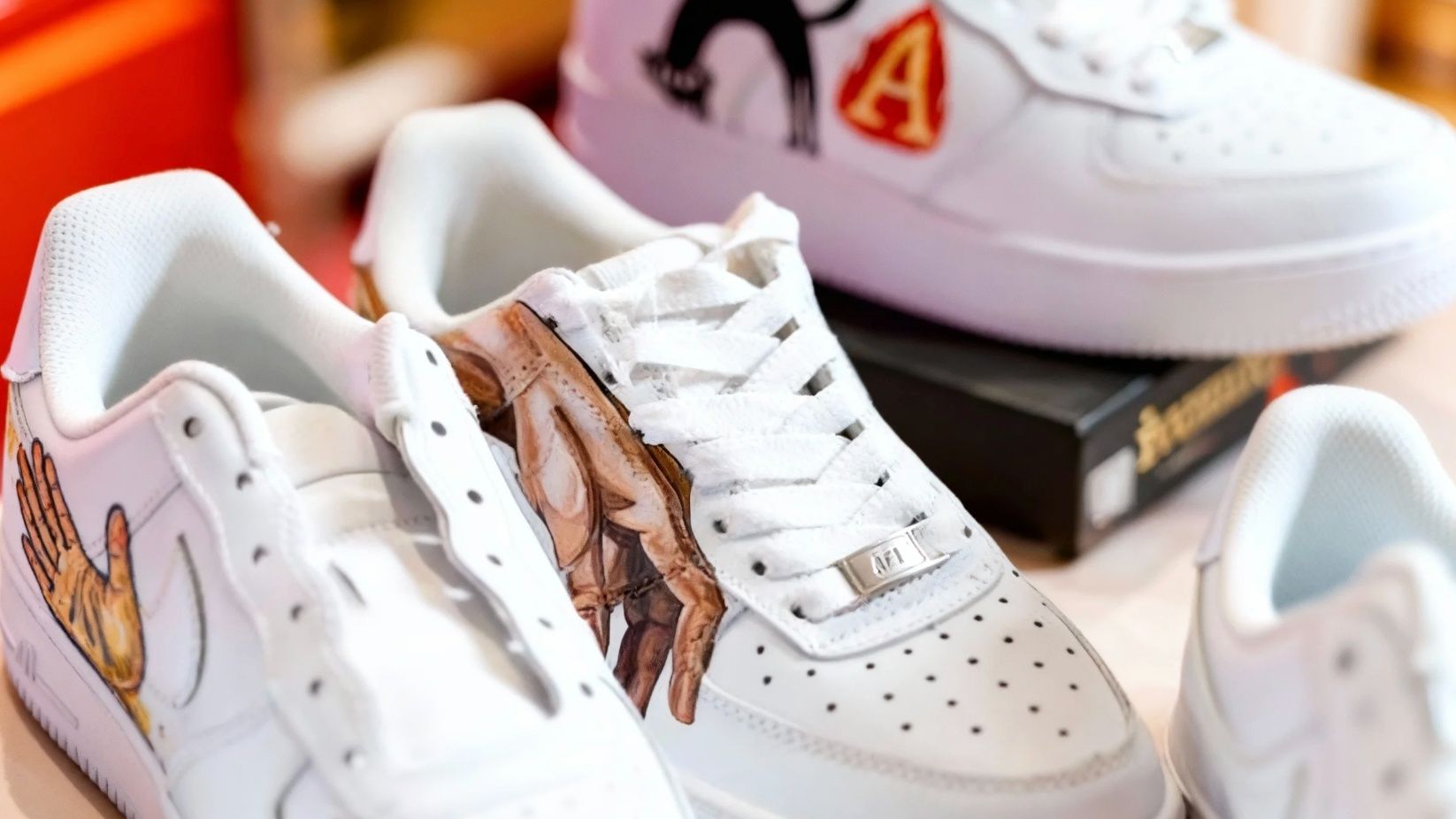
Driven by consumers' growing desire for uniqueness and self-expression, personalized products have become a major trend in modern e-commerce.
There are two mainstream approaches: Open-ended Uploads, where users can freely upload their own images and text for customization, offering maximum creative freedom; and Curated Personalization, where brands provide pre-set design templates, pattern libraries, and fonts to guide users within defined boundaries, ensuring a more cohesive brand aesthetic. The core question is: for e-commerce businesses focused on brand image and quality, which of these two models offers the better path forward?
1. The Appeal and Challenges of Open-ended Uploads
Definition
Open-ended Uploads are a form of product personalization that lets customers freely upload their own content, such as images, text, or designs, to create something entirely their own. While the platform provides the technical framework, users have broad creative control over the final look. This flexibility is what makes Open-ended Uploads appealing, but it also means that the outcome depends heavily on each customer’s design skills and the quality of their uploaded files.
A simple example is someone uploading cat photos to create a personalized Kitty Calendar. This kind of customization is especially popular in the gift and souvenir market, where people use their own vacation pictures, pets, or favorite celebrities on mugs, T-shirts, and more.
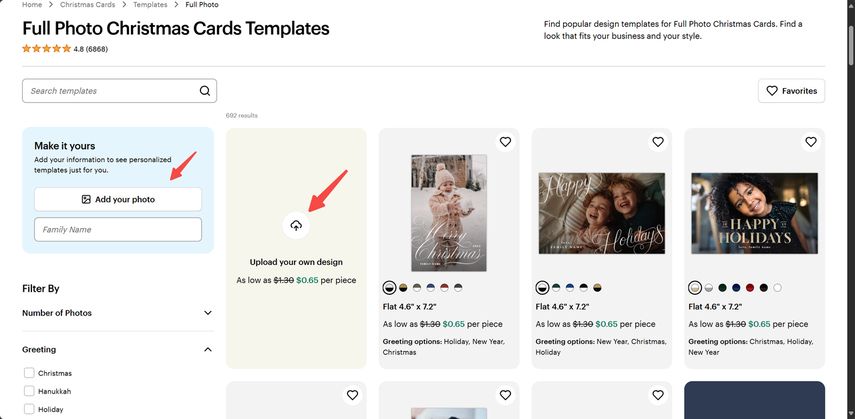
Platforms like Zazzle, Vistaprint, and Redbubble make this possible. On Zazzle, you can turn a selfie into a phone case; on Vistaprint, design business cards with your own logo; and on Redbubble, artists print their original designs directly onto apparel. These platforms provide creative freedom within certain boundaries, where users can design almost anything as long as they follow basic technical and legal rules such as image size, format, and copyright compliance. This balance between openness and structure is what defines the open-ended model.
Advantages and Disadvantages
The biggest strength of Open-ended Uploads is the sense of ownership they create. Customers become co-creators: their uploads turn ordinary items into something personally meaningful. That emotional connection makes people feel invested in what they're building.
However, the freedom can also be a weakness. Many businesses offering Open-ended Uploads act as production partners, focusing on printing and fulfillment rather than creative direction. While some provide templates or design tips, others operate more like print shops, leaving users entirely responsible for their own designs. As a result, outcomes can vary greatly: not necessarily because of printing flaws, but because users' design choices, image quality, or formatting errors directly affect how the product turns out. Please note, most platforms explicitly prohibit uploading copyrighted, trademarked, or offensive content, even for personal use. This balance between openness and structure is what defines the open-ended model.
2. The Advantages and Limitations of Curated Personalization
Definition
Not every kind of customization qualifies as Open-ended. Features like name engraving on a Starbucks cup, limited designer collaborations, or Nike's By You shoes are forms of guided customization that users choose from predefined options, such as colors, patterns, or text placements, within a controlled framework, they are called Curated Personalization. In this model, users choose from predefined options such as colors, patterns, or text placements within a guided design framework. The platform still offers personalization, but it carefully curates the choices to maintain visual consistency and brand identity.
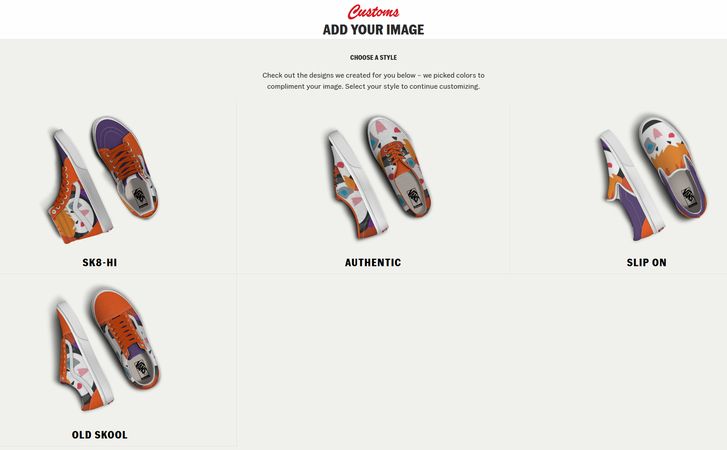
Brand examples of Curated Personalization can be seen across major lifestyle brands. On Adidas's website, customers can customize shoes like the Stan Smith by choosing preset colors for the upper, stripes, and laces, and adding up to 10 characters of text. A design that stays true to Adidas's sporty aesthetic while offering a personal touch. Uniqlo's UTme! lets users design T-shirts using pre-approved graphics and limited color and text options, maintaining the brand's clean, minimalist style. Vans's Customizer follows a similar idea: users personalize classic shoes such as the Old Skool by selecting materials, signature color palettes, or adding short text, creating something unique yet still unmistakably Vans. At Levi's Tailor Shop, customers can add embroidery, patches, or short text to jeans like the 501, blending personal expression with Levi's vintage craftsmanship. In all cases, personalization exists within a guided framework that protects each brand's core identity while giving customers just enough room to make it their own.
Advantages and Disadvantages
The key advantage of Curated Personalization lies in control, both creative and operational. By setting defined boundaries, brands can ensure that every final product aligns with their aesthetic standards, product quality, and marketing tone. This model minimizes the risk of low-quality or off-brand designs that might arise in Open-ended Uploads. It also simplifies production and customer support, since all outcomes follow predictable templates.
For customers, Curated Personalization strikes a balance between freedom and reliability. They can still express individuality, but without the burden of full design responsibility. This often results in a smoother user experience and higher overall satisfaction, especially for buyers who value quality assurance over unlimited creativity. The primary limitation is reduced creative autonomy for users. Unlike Open-ended Uploads, customers cannot upload original artwork, use arbitrary colors, or make structural changes. This may frustrate highly creative individuals or those seeking truly unique designs. Additionally, the predefined options can feel restrictive over time, potentially limiting long-term engagement for power users.
3. Which Model Fits Branded E-commerce? Open-ended Uploads or Curated Personalization?
For most branded e-commerce businesses, Curated Personalization is the more sustainable and brand safe approach. While Open-ended Uploads emphasize user creativity, Curated Personalization allows customers to participate in the design process without compromising brand identity. By defining creative boundaries in advance, brands can ensure every product aligns with their aesthetic vision, production capacity, and quality standards, reducing operational risk and preventing off-brand outcomes. In the medium to long term, the impact of these two models on brand equity, including identity, consistency, symbolic system, semantic boundaries, and community culture differs significantly.
Under Curated Personalization, predefined elements act as a visual system amplifier for the brand. User personalization is guided within the brand's symbolic system, where each customization is a spread of core brand elements, ensuring a high degree of branded aesthetic consistency and perceived quality. In the medium to long term, this effectively maintains the brand's indentity, preventing the brand narrative from being diluted. Furthermore, within this brand-led context, personalized products become a status symbol for community members "a shared brand culture," which helps to build and strengthen a strong culture of identity centered around the brand's core values, as user participation is about "co-creating the brand story" rather than "tampering with brand symbols."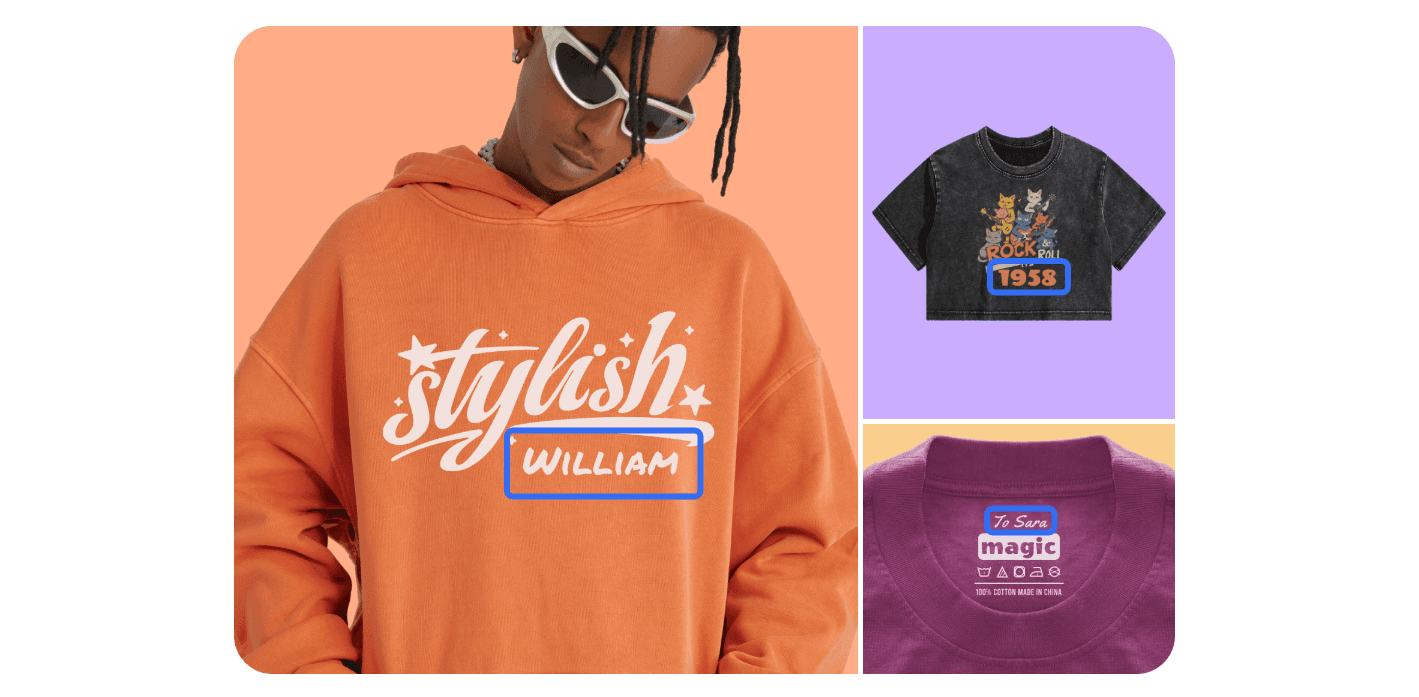
Conversely, Open-ended Uploads inherently introduce platform ecosystem risks. The lack of restrictions leads to an influx of low-quality, aesthetically discordant, or legally risky content, directly resulting in the visual dilution of platform content.
This uncontrolled content flood will erode the platform's overall aesthetic standard, blur its positioning, and weaken user trust in platform quality. Crucially, it causes community cultural fragmentation, making it difficult for members to establish a unified cultural consensus and basis for recognition, ultimately shaking or even collapsing community identity. For brands, this model is especially perilous: Open-ended Uploads make it extremely difficult to achieve Brand Distinctiveness and Brand Cultural Recognition, significantly increasing the risks and costs for the platform in content compliance and operational management.
In short, Open-ended Uploads prioritize creative freedom, ideal for highly creative audiences, gifting markets, or niche communities where unique, one-of-a-kind creations are valued. Curated Personalization, on the other hand, prioritizes brand integrity, making it suitable for brands seeking personalized offerings while maintaining a cohesive and recognizable presence.
Comparison Table: Open-ended Uploads vs. Curated Personalization
| Aspect | Open-ended Uploads | Curated Personalization |
|---|---|---|
| Definition | Users freely upload their own images, text, or designs with broad creative control, subject to basic technical and legal constraints. | Users choose from predefined options (e.g., colors, text/image placements) within a guided framework to ensure brand consistency. |
| Examples | Uploading photos for a calendar, selfies for phone cases, custom logos for business cards, or original art for apparel. | Adding personalized text, selecting color schemes, or choosing design elements from a brand's curated library. |
| Creative Freedom | High: users have near-unlimited control over content, limited only by technical and legal rules. | Limited: users personalize within the brand's preset options, restricting creative autonomy. |
| Brand Control | Low: outcomes depend on user design skills and file quality, which may not align with brand aesthetic. | High: predefined templates ensure visual consistency and alignment with brand identity. |
| User Experience | Offers strong emotional connection through co-creation but can be challenging for users lacking design skills. | Streamlined and reliable, with less design burden, leading to higher satisfaction for users prioritizing ease and quality. |
| Product Quality | Variable: depends on user-uploaded content quality - image resolution. | Consistent: controlled options ensure predictable, high-quality outcomes aligned with brand standards. |
| Operational Complexity | Higher: varied user inputs require robust technical systems and customer support for issues like formatting errors. | Lower: standardized options simplify production and reduce support needs. |
| Emotional Attachment | Strong: fully custom designs feel deeply personal and unique. | Moderate: limited options may reduce the sense of uniqueness and personal investment. |
| Market Appeal | Best for gift and niche markets where unique, personal designs shine. | Appeals to buyers wanting quality and brand consistency. |
4. Overview of Curated Personalization in Practice
Key Implementation Points
When implementing Curated Personalization, brands must clearly define their brand tone, establish a high-quality design library, and offer flexible customization options. Curated Personalization allows customers to add thoughtful personal touches while preserving the brand's design integrity, enhancing engagement and loyalty. Nearly all well-known brands now offer some form of Curated Personalization, recognizing its value in creating a premium, consistent, yet personalized shopping experience. From Adidas's preset color and text options on the Stan Smith, to Uniqlo's UTme! that lets users design shirts with limited graphics, Vans's Customizer for materials and color palettes, and Levi's Tailor Shop where customers add patches or embroidery—each demonstrates how personalization can coexist with brand identity through guided frameworks that balance freedom and control.
More Real-Life Personalization Examples
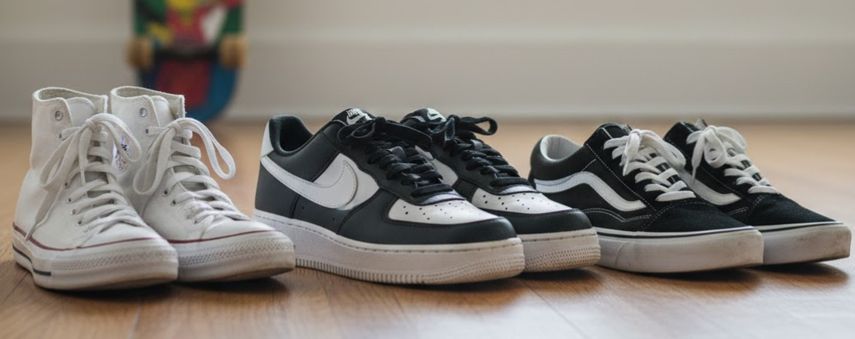
- Nike By You: Customers can choose base colors and add text or patterns while the signature Swoosh logo remains fixed. This model gives users creative input but within boundaries that protect Nike's visual identity, perfectly balancing personalization and brand control.
- Vans Custom: Customers can personalize pre-set templates, like the brand's classic checkerboard pattern, and add their names or initials. This curated process keeps Vans' retro aesthetic intact while strengthening emotional connections between customers and the brand.
- Converse Custom: Customers can select colors and short phrases for their Chuck Taylors, with made-to-order delivery within weeks. This flexible yet guided system showcases how Curated Personalization can enhance brand authenticity while offering individuality at scale.
- Supreme Custom Drop: Customers choose from curated graphic sets, such as box-logo variations or seasonal motifs, and can tweak small design details like color flips or one-line text. The red-box logo stays locked, ensuring every design still feels undeniably supreme.
5. How to Implement Curated Personalization
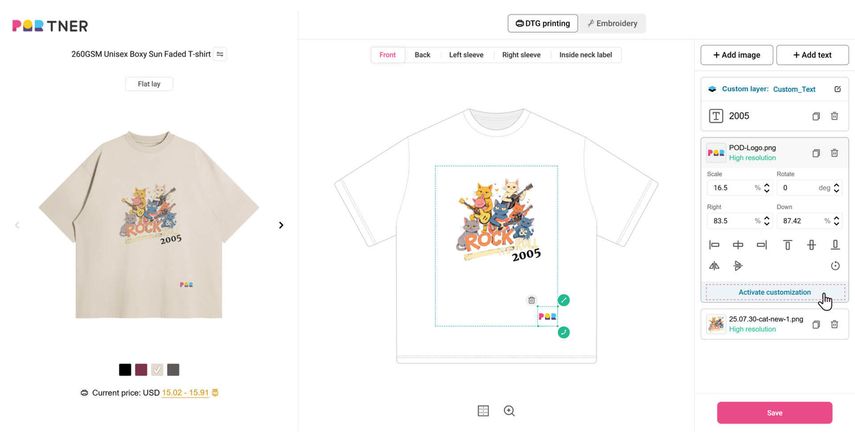
Many print-on-demand (POD) companies provide personalization services, allowing brands to offer a unique shopping experience to their customers. For instance, if you are running your own branded design online, customers often wish to add a word, phrase, or image on top of your existing design. To facilitate this, you can pre-set specific areas on your product where customers are allowed to upload their content. This ensures that the personalized additions fit seamlessly with your overall design while maintaining a polished, professional look. Before producing their order, customers can preview how their personalized text or image will appear, which enhances their confidence and satisfaction with the product. To know more about POD personalization, you can read: Customization Features of Major POD Platforms in Detail
Among the many POD platforms offering these services, PODpartner stands out with its advanced customization features: PODpartner allows brands to create free customize layers within the designated design area. This flexibility enables a more creative and premium personalization experience while still maintaining control over the brand's aesthetic integrity.
Application in the Apparel Industry
Personalization is particularly powerful in apparel, where customers appreciate the ability to make garments truly their own. From T-shirts and hoodies to sweaters, Curated Personalization not only boosts customer engagement but also encourages repeat purchases. By implementing thoughtful personalization features alongside custom branding, brands can strengthen customer loyalty, enhance perceived value, and differentiate themselves in a crowded market.
Conclusion: Curated Personalization is the Superior Choice for Branded E-commerce
The core of branded e-commerce is establishing a unique brand identity and reputation, not merely providing a customization feature. Curated Personalization strikes the perfect balance between freedom and control. It provides a personalized experience while ensuring brand image and product quality, making it the superior choice for branded e-commerce. If you are running an online business, you can try PODpartner's customization feature, which can protect your brand identity and helps forge a deeper emotional connection between customers and the brand.