
 USD

Best T-shirt Maker: From Transfer Paper to Print-on-Demand


Home-based T-shirt maker is a cool and handy exercise. Design it yourself in case of personal, gift or small-scale sales. By using a T-shirt maker, you can control all processes from print to final check. You can choose the design, material and printing method and choose the one that suits your style. This method is recommended for people who enjoy manual projects or take time to detail. The process may include thermal transfer, screen printing, or other methods. Depends on the tools and skills you use.
How to Make T-shirts at Home with a T-shirt Maker
If you're wondering how to make T-shirts at home, a T-shirt design maker can bring your ideas to life. With the proper tools and the use of proper materials, it is possible to design a shirt to either use yourself, as a gift or maybe sell in small numbers.
Tools you need:
- Heat transfer press or iron (for heat transfer)
- T-shirt transfer paper or vinyl
- White or light-colored plain T-shirt (100% cotton or cotton blend is preferable)
- Printer (related to printer inkjet or laser or transfer paper)
- Scissors or cutting machine (optional for precise design)
Steps of making T-shirt:
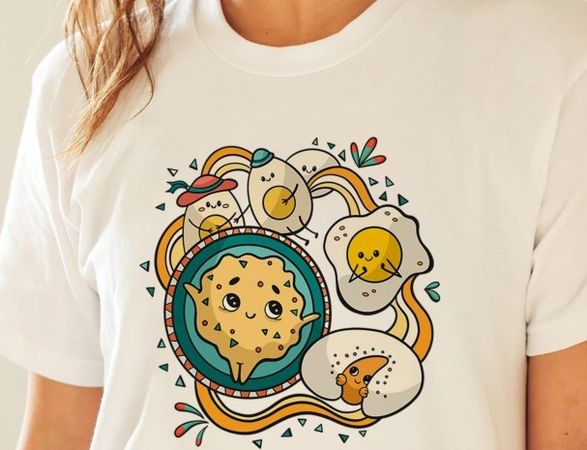
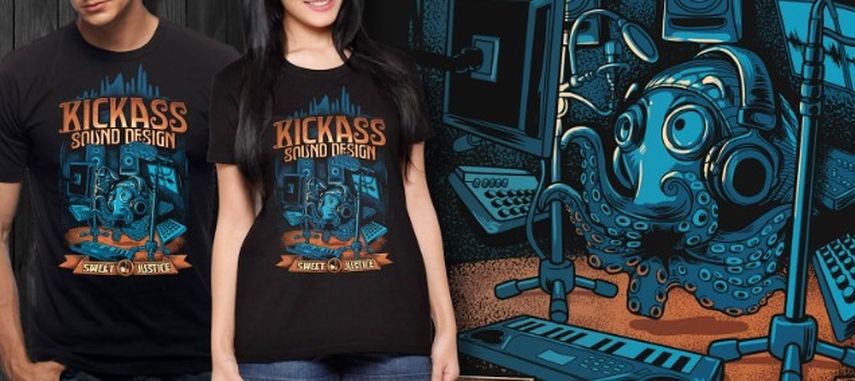
Step 1: Create designs that match your style and brand. Make sure that the color, ratio and text are harmonized. Choose the color contrasting to the color of the T-shirt.
Step 2: Determine the required shirt quantity and budget. Large orders tend to cost less per sheet. Plan the size and quantity according to the target layer.
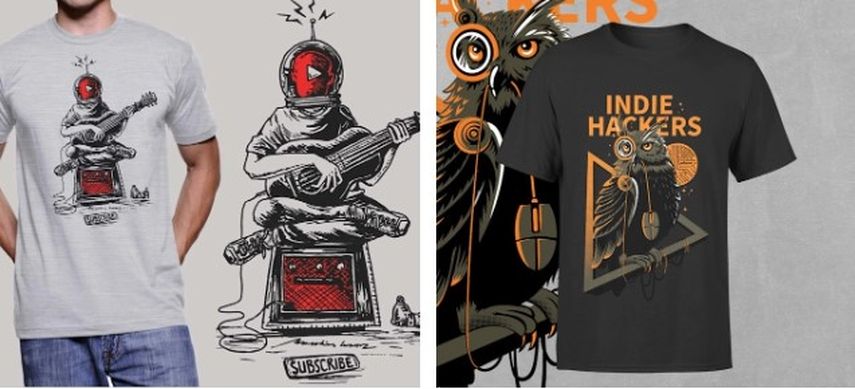
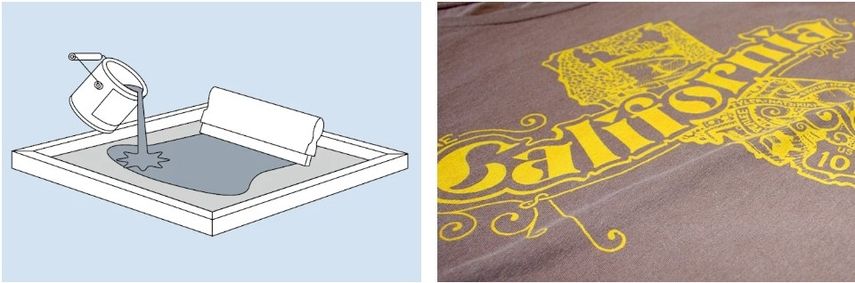
Step 3: Choose a printing method based on cost, detail and order quantity. Popular options include screen printing, vinyl graphics and direct touchment. Choose a method that suits your design.
Step 4: Investigate local printers and online printers. Request a sample and review it. Check whether you can meet design, budget and delivery requirements.
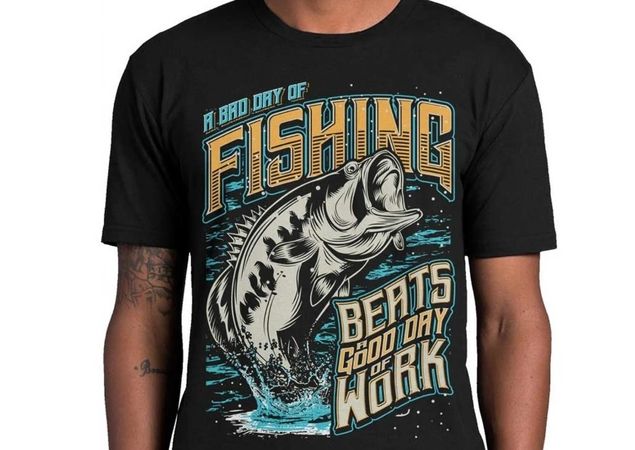
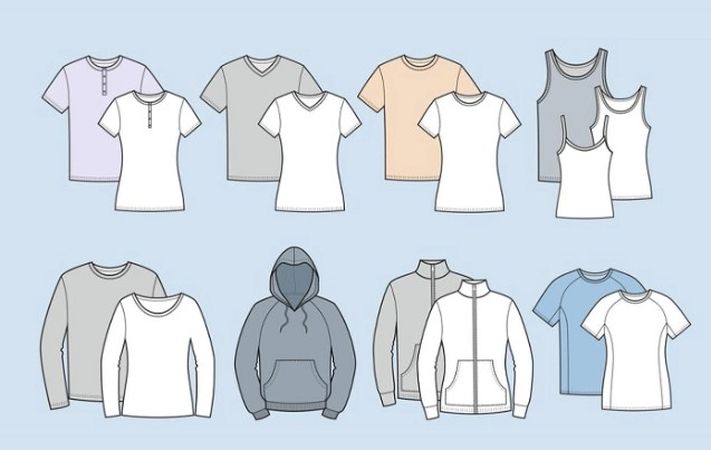
Step 5: Choose comfortable fabrics such as cotton and cotton blends. Determine the style, color and cut of the shirt according to the target layer.
Step 6: Send your design in the appropriate file format (usually AI, PDF, or EPS). Attach the color code and follow the printer's file requirements.
Step 7: Carefully check the accuracy of text, color and placement. We recommend asking for a different opinion before final approval.
Step 8: Receive a shirt, check the quality and make sure everything is right. Share feedback with the printer and enjoy the finished product.
The Pros and Cons of Making T-shirts at Home
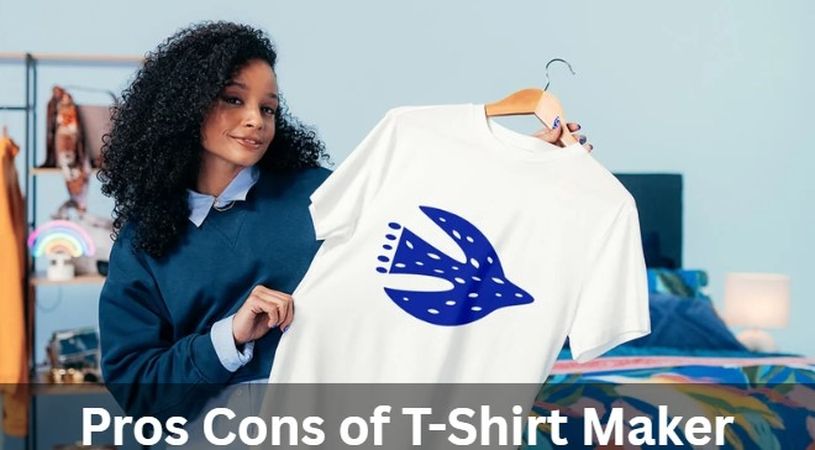
Making shirts with a T-shirt maker has pros and cons. It is a rewarding way for those who enjoy creative projects and those who want to control the design process themselves. This method is often chosen by people who create small lots for personal use, gifts, and limited sales. While flexible in design and material selection, time, effort and appropriate tools are required.
Pros:
- Complete control of the process from start to finish
- Perfect for personal gifts and small lot orders
- You can change the design at any time
- No need to rely on external suppliers
Cons:
- We need initial capital investment.
- Mass production takes time
- Quality may vary depending on tools and skills
- Without advanced machines, fabric and color choices are limited
Best for: Cotton or cotton blends with T-shirt transfer paper; polyester blends work better with sublimation printing.
The Better Option: Print-on-Demand (PODpartner)
If you don't want to handle printing yourself, T-shirt maker services like POD do the work after an order is placed. This takes away the headache of buying machines, storage of the product, and packaging and shipment thereof. It is possible to make the T-shirt business endeavor less expensive and tedious. This method is suitable for those who want to focus on design creation rather than inventory management. Orders are sent directly to the customer and can be offered in a variety of styles and color variations.
Benefits of POD:
- Allow your customers to add their own text or design to your branded clothing — try PODpartner's customer customization feature.
- You don't need to buy a machine or keep stock. Printing of designs is done upon placing an order thus there is financial risk.
- Orders can be processed and shipped within a short time and this serves to keep customers satisfied resulting in a more repeat purchase.
- The kind of design is unlimited, whether the design is made up of plain text, colorized full color or otherwise.
- High-quality materials and printing methods are used to achieve brilliant and long-lasting printing.
- Starting to sell already is easy: it is not difficult to open the store.
Start Your Business with a Custom T-shirt Maker
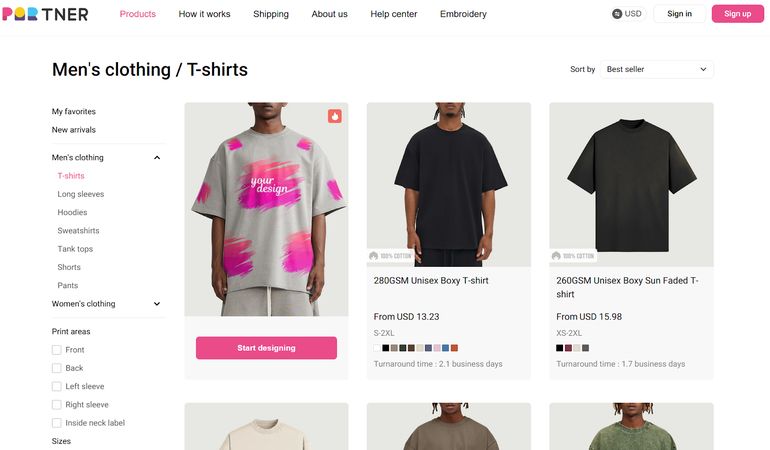
If you don't know how to start a T-shirt business at home, PODpartner is the easiest starting point. Neither a workshop nor warehouse space are necessary. Simply upload your design, choose your products and put them up on sale.
One reliable option is PODpartner. They print, pack, and ship on their behalf, so you can focus on design and marketing. It's ideal whether you're new or experienced, making it one of the best T-shirt maker for beginners options.
FAQs about T-shirt Maker
Can I make T-shirts without a heat press?
Yes, thermal transfer is possible with a home iron. However, the heat press maintains a uniform pressure and temperature, which gives better results. If you print often, then the investment in a heat press is worth it.
What fabric is best for T-shirt printing?
100% cotton is the most common choice. It is because the print is well fixed and comfortable to wear. For sublimation printing, polyester or blend fabric is suitable. The appropriate customer fabric depends on the method of printing.
Is POD cheaper than making T-shirts at home?
For small personal projects, printing at home may be cheaper. For online sales, PODs can reduce costs because they do not require equipment or inventory. It also reduces the time it takes to manufacture and deliver.
Conclusion
A T-shirt maker is great for personal projects, gifts, and small runs. For larger or online sales, t-shirt transfer paper vs print on demand methods both have benefits. Print on Demand (POD), on the other hand, is a hassle-free way to start online sales. Your own services such as PODpartner enable you to create designs, sell and ship without involving production. Decide on the method that works the best and you are set to enjoy your share of receiving your designs over the globe.