
 USD
USD
7 Best Print-on-Demand Sites for Artists in 2026 (Compared)


Updated October 2026
What's the best print-on-demand site for artists?
It depends on what you sell and how much control you want. For fine art prints, Prodigi and Society6 lead on giclée quality. For getting discovered fast, marketplaces like Redbubble and Society6 bring their own traffic but set your prices. For selling through your own Shopify or Etsy store, fulfilment partners give you control: Printful for the widest product range and integrations, Printify for low base costs, Gelato for global local production, and PODpartner for premium apparel — heavyweight 100% cotton garments, 24″×24″ Jumbo DTG, 21 print placements and 15-colour embroidery.
Selling art today is very different from ten years ago. You don't need a gallery or a big upfront print run. Artists can turn designs into prints, t-shirts, mugs or home décor through print-on-demand (POD) services.
There are more options than ever in 2026, and they're not the same. Some focus on fine art prints; others are better for apparel and merch. Picking the right one matters if you want steady income from your art. This guide compares seven POD sites on print quality, products, pricing, integrations and branding.
1. The 7 Sites Compared
| Site | Type | Strongest for | Who sets the price | Branding control |
|---|---|---|---|---|
| Redbubble | Marketplace | Exposure across stickers, apparel, wall art and décor | Platform sets base prices | Low |
| Society6 | Marketplace | Art prints and home décor | Platform sets prices and margins | Low |
| Printful | Fulfilment partner | Wide product range, integrations, local delivery | You | High (labels, packaging, inserts) |
| Printify | Fulfilment network | Low base costs, large catalog | You | Limited, varies by provider |
| PODpartner | Apparel manufacturer + fulfilment | Premium apparel: heavyweight garments, large prints, embroidery | You | High (neck labels, hangtags, packaging per order) |
| Prodigi | Fulfilment partner | Giclée and fine art prints | You | Medium |
| Gelato | Fulfilment network | Global local production, eco focus | You | Limited |
2. What to Look For in an Artist POD Platform
Print quality
The first thing customers notice is how the print looks. If colours are off or the print fades after a wash, they won't come back. Know how each method works:
- DTG printing: common for t-shirts and apparel. Great for detailed, full-colour designs and small orders. Good DTG feels soft and resists cracking.
- Screen printing: used for larger runs; best for bold designs with few colours.
- Giclée printing: the standard for fine art prints, using archival inks and high-quality paper for true colour and fine detail.
Colour accuracy matters most for painters, illustrators and digital artists. The only reliable check is to order samples and compare them with your original.
Product range
- Fine art prints: look for giclée or museum-quality posters.
- Apparel: t-shirts, hoodies, sweatshirts.
- Home décor: pillows, blankets, wall art.
- All-over prints: for artists whose patterns cover the whole product.
Pricing and profit
Your profit is your selling price minus the base cost and any platform fees. Marketplaces such as Redbubble set the base price for you; fulfilment partners such as Printful, Printify and PODpartner let you set your own retail price.
Integrations
The best fulfilment services connect directly to Shopify, Etsy, WooCommerce and other store builders, so orders are sent to production automatically and you can spend your time making art.
Branding and control
If you want a lasting business, your brand should be what customers remember, not the platform. Custom labels, hangtags and packaging help. Marketplaces like Society6 offer little branding control; fulfilment partners like PODpartner and Printful offer much more.
3. The 7 Best POD Sites for Artists
POD platforms come in two types:
- Marketplaces such as Redbubble and Society6: upload your art and they handle printing, shipping and customer service — and bring shoppers to your work.
- Fulfilment partners such as Printful, Printify, PODpartner, Prodigi and Gelato: they connect to your own Shopify or Etsy store and print and ship each order.
Redbubble
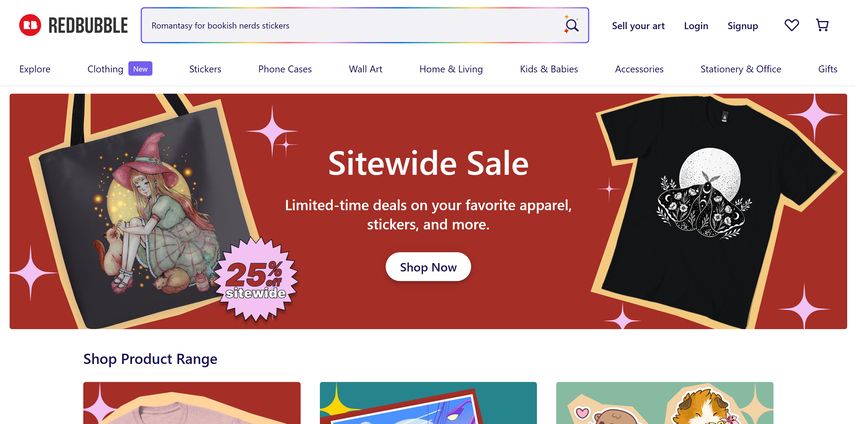
A popular marketplace where you upload designs and reach shoppers worldwide. Redbubble handles printing, shipping and customer service across stickers, apparel, wall art and home décor. It's free and simple to start, but margins are smaller because Redbubble sets base prices, and competition makes it harder to stand out.
Society6
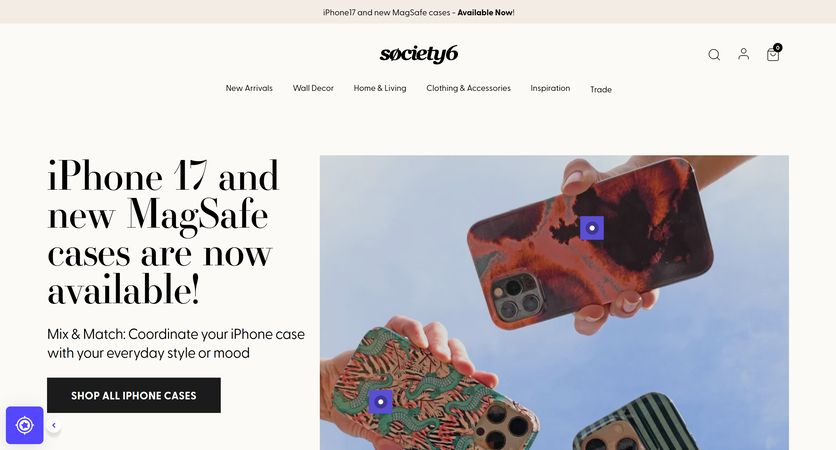
Known for high-quality art prints and stylish home décor — a strong choice for illustrators, painters and fine artists. Society6 sets prices and margins, so you may earn less per sale, and you have little control over packaging or brand experience.
Printful
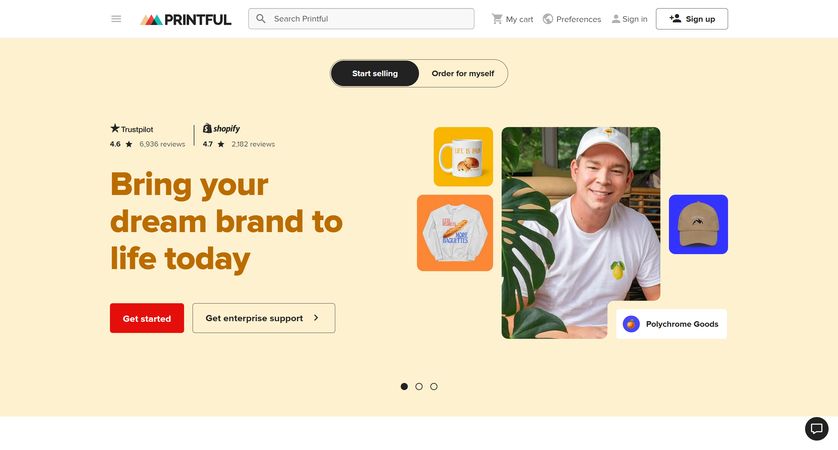
A fulfilment service connecting to Shopify, Etsy and other stores, known for reliable print quality, a wide product range and branding tools including custom packaging, labels and inserts. Artists building their own store often choose Printful for control over the customer experience; the downside is higher base costs. See our Printful alternatives guide.
Printify
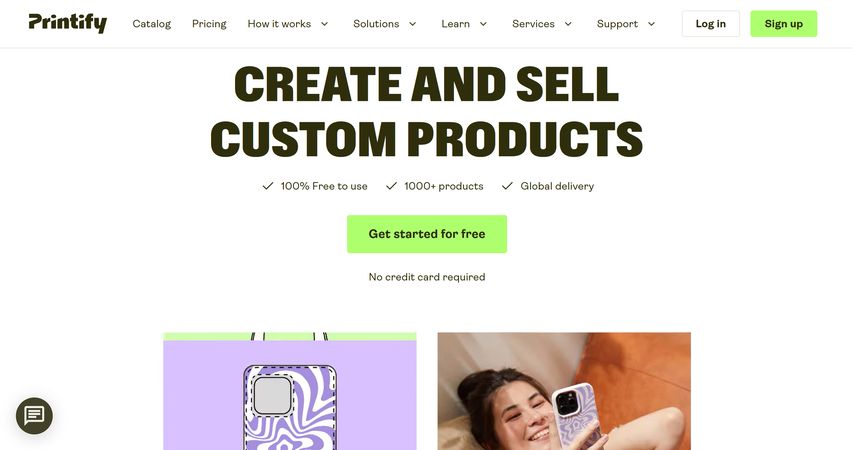
Printify connects you to many print providers worldwide, which means lower base prices, faster shipping in many regions and a large product selection. The trade-off is that print quality varies by provider, and branding options are more limited than Printful or PODpartner. A good fit if keeping costs low is the priority. See our Printify alternatives guide.
PODpartner
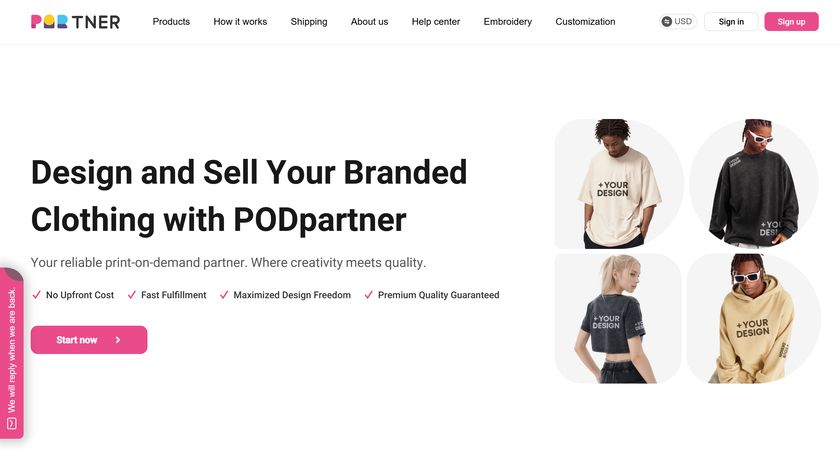
PODpartner is an apparel manufacturer and fulfilment partner, founded in 2019, built for artists and designers who want their work on premium clothing. It makes its own heavyweight 100% cotton garments — tees from 240 to 425 GSM and hoodies up to 440 GSM — and prints them in-house.
For artwork, that means room to work at scale: a standard print area of 16″×21″, Jumbo DTG up to 24″×24″ for full-back pieces, and up to 21 placements including sleeves, shoulders and hem. You can add 15-colour embroidery or Heat Transfer Vinyl, or combine methods on one garment with the Hybrid Process. Neck labels, hangtags and packaging are produced per order with no minimums.
PODpartner connects with Shopify, Etsy, WooCommerce, Wix and Squarespace. The trade-offs: it's apparel only — no fine art prints, mugs or wall art — and orders ship from China in 7–12 days standard or 3–5 days express.
Prodigi
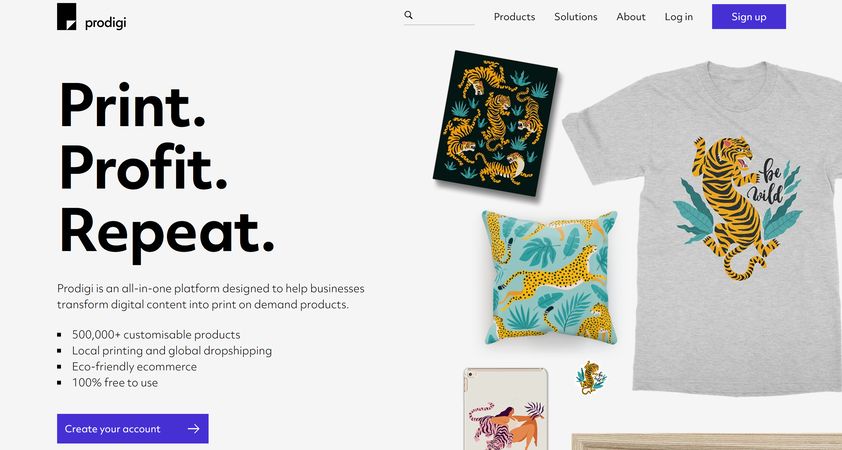
Prodigi is known for high-quality giclée and fine art printing — ideal for traditional artists and illustrators who need sharp detail and true colour. Its global printer network helps shorten delivery times. It's not the top choice for apparel or accessories.
Gelato
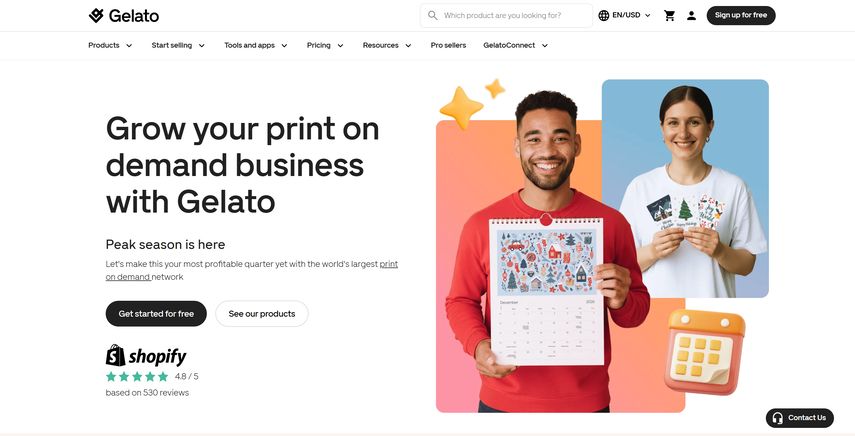
Gelato uses a large global network of local printers, which shortens shipping times and reduces environmental impact — useful if your customers are spread across many countries. It offers art prints, apparel and home goods with an eco focus, though branding options are fewer.
4. Marketing and Selling Your Art
Even the best platform won't bring buyers unless you drive traffic to your products.
Where to sell
- Marketplaces: Redbubble and Society6 bring browsing shoppers and help people discover your work.
- Your own store: a Shopify or Etsy shop lets you control your brand and customer experience. Connect a fulfilment partner such as PODpartner to handle printing and shipping automatically.
Many artists do both: marketplaces for discovery, then their own store to build lasting customer relationships.
Marketing tips
- SEO for listings: use clear titles and tags such as "vintage art print" or "abstract wall décor" so people can find your products.
- Social media: Pinterest and Instagram work especially well for artists. Post regularly to bring people back.
- Email list: offer early access to new drops or subscriber-only releases. Algorithms change; your email list is something you own.
5. FAQs
What's the best print on demand site for artists?
For fine art prints, Prodigi or Society6. For exposure without running a store, Redbubble or Society6. For your own Shopify or Etsy store, Printful for range and integrations, Printify for low costs, Gelato for global delivery, and PODpartner for premium apparel with heavyweight garments, 24″×24″ prints and embroidery.
Which POD site is best for artists selling clothing?
If your art is going on apparel, PODpartner gives you the most canvas: Jumbo DTG up to 24″×24″, 21 print placements, 15-colour embroidery and heavyweight 100% cotton blanks, with branding produced per order. Printful is a strong all-round alternative with faster local delivery.
How can I protect my art on these platforms?
Add watermarks to preview images and register your copyrights where possible.
Is it better to use a marketplace or my own store?
Marketplaces like Redbubble or Society6 get you noticed quickly but usually mean lower profit and less control. Your own Shopify or Etsy store means higher margins and control of your brand. Many artists start on marketplaces for exposure, then build their own store as their brand grows.
Conclusion
The best print-on-demand site for artists depends on what matters most to you. Marketplaces make it easy to get noticed; fulfilment partners like PODpartner help you grow your own store with more control and branding.
For most artists, a mix works best: start where the traffic is, then build your own brand. If you're unsure, try both — upload a design to a marketplace and order samples from a fulfilment partner, then compare print quality, margins and how customers respond.
Related Reading
Further reading

No Order Minimums

No Membership Fees

No Unsold Stock

No Quality Concerns
Only Creativity, Satisfaction, and Profits!