
 USD
USD
Oversized, Boxy, or Drop-Shoulder: The Fit Words Nobody Explains

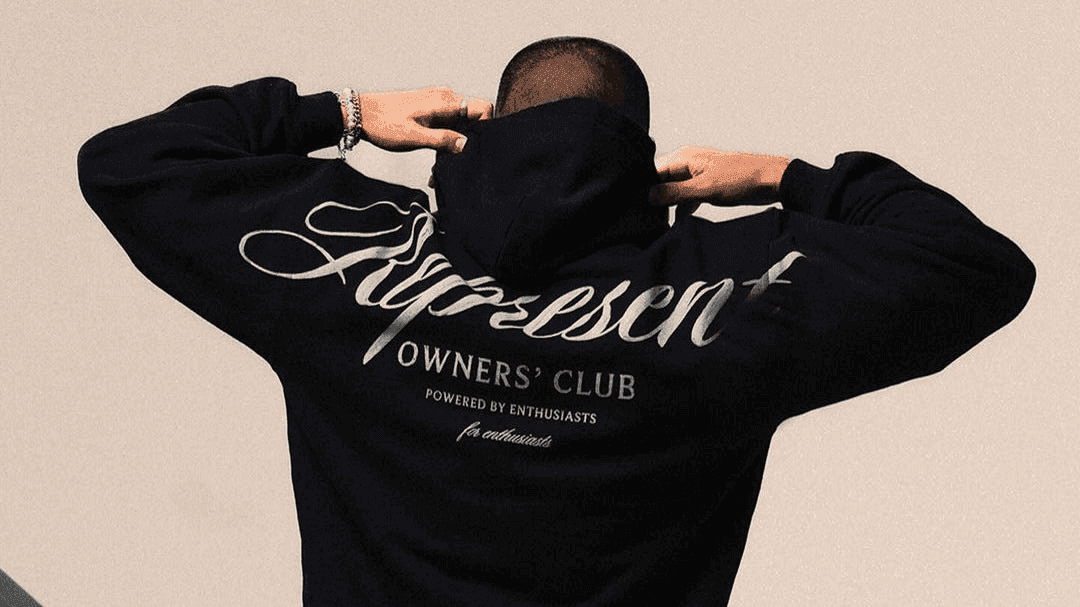
Oversized, boxy, and drop-shoulder describe three different things. Oversized is about how much bigger a piece was cut than a standard fit. Boxy is about proportion, a similar width from shoulder to hem instead of a taper at the waist. Drop-shoulder is about construction, where the sleeve seam sits relative to the shoulder point.
"I want it bigger, but not a size up." That sentence sums up most of the confusion around fit language. Oversized, boxy, and drop-shoulder get thrown around like they mean the same thing. They don't. Mix them up when you're shopping or briefing a supplier, and you end up with a shirt that technically matches what you asked for and nothing like what you pictured.
01 Why these words get confused
A guy on Reddit once asked, flat out, whether an oversized shirt and a shirt one size up were even different things. He wasn't being lazy. The words really do get used as synonyms, on hang tags, in supplier chats, in casual conversation. Another shopper posted about her "oversized" tees looking flat and shapeless next to the ones she saw online, and got told, gently, that neither shirt was actually cut oversized. Both were a normal pattern in a slightly bigger size. Her response was the honest one: she'd assumed that was the whole trick.
It usually is the trick people try first. Grab a size up, maybe two, and call it oversized. Sometimes it gets close enough. Often it just makes the shirt longer and wider in the same proportions it already had, which is a different result than a shirt built to be oversized from the start.
The reason all three words get tangled together is that they're answering three different questions, and most people only have one question in mind when they're shopping: how do I get a bigger, looser look. Oversized, boxy, and drop-shoulder are three separate levers for getting there, and they don't move together.
02 Oversized is a sizing decision
Oversized describes intent. A piece cut oversized is deliberately bigger than a standard fit, and the whole pattern gets reworked to match, not just scaled up. The body runs wider throughout. The sleeves land somewhere between mid-bicep and the elbow instead of stopping higher on the arm. The shoulder often sits a little past the actual shoulder point rather than right on it.
Buying a size up skips all of that. The pattern is the same one, just bigger. The shoulder seam stays close to where it always sat. The shirt gets longer and wider together, in the same ratio it always had, and past a certain point that starts reading as a dress instead of a fit. People who try this shortcut often end up doing more work than if they'd bought a shirt cut oversized to begin with: hemming the length, taking in the sleeves, fighting a shape the pattern was never drawn for.
That's the gap behind the line at the top of this piece. Wanting something bigger isn't the same request as wanting a bigger version of the same shirt. One asks for a new silhouette. The other just inflates the old one.
03 Boxy is a question of shape
Boxy has nothing to do with how big a piece is. It's about proportion, specifically the relationship between width and length. A boxy fit holds a similar width from the shoulder down to the hem instead of tapering in at the waist. Laid flat on a table, it should look close to a square. That's the practical test people actually use to separate a boxy cut from a shirt that's simply a size too big: a too-big shirt still tapers and drapes like the body underneath it, while a boxy shirt holds its shape regardless.
A boxy piece can also be oversized, and often is. But it doesn't have to be. A shirt with very little extra room anywhere can still read as boxy if it keeps that squared-off width from top to bottom instead of narrowing toward the waist. Boxy describes the shape of the box. It says nothing about how much room is inside it.
04 Drop-shoulder is a construction detail
Drop-shoulder is the most literal of the three, and the easiest to actually measure. It describes one specific thing: where the seam joining the sleeve to the body sits. On a standard shirt, that seam lands right at the edge of your shoulder. On a drop-shoulder piece, it's moved down and out, past the natural shoulder point, sometimes by an inch, sometimes by several.
That single seam move changes how the whole sleeve behaves. Because the armhole extends past the shoulder, the sleeve hangs looser through the upper arm even before anything else about the cut comes into play. It's also faster and cheaper to sew than a set-in sleeve, since the sleeve piece doesn't need to be shaped around a tight, curved armhole. That's a big part of why it shows up on so much casual and mass-market clothing.
Drop-shoulder doesn't require a shirt to be oversized or boxy. A fitted piece can still carry a dropped shoulder seam and just look relaxed through the top of the arm while staying close to the body everywhere else.
05 How the three combine
None of these three things require each other, and none of them cancel each other out.
A shirt can be oversized without being boxy, if it keeps some waist shaping but the whole pattern is scaled up. A shirt can be boxy without being oversized, if it holds a squared width in a true-to-size or even smaller cut. A shirt can carry a drop shoulder without being either, if the seam moves down but the body stays close to true size everywhere else.
Most of the pieces people actually mean when they say "oversized" combine all three: deliberately bigger, squared off through the body, dropped at the shoulder. That combination is what makes a fit read instantly, from across a room, as a choice rather than a shirt that just doesn't fit right. Take any one of the three away and the look shifts. Drop the boxy body and keep the size and the shoulder, and you get something closer to a relaxed, draped fit. Keep the boxy shape and the drop shoulder but bring the overall size back down, and you get a cropped, structured silhouette instead of a slouchy one.
06 Why the difference matters when you're getting something made
If you're briefing a supplier, the word you use is the instruction, not a vibe. Ask for oversized and describe boxy in your head, or ask for boxy and picture drop-shoulder, and you'll get a garment that matches what you said and misses what you meant.
There's a fabric side to this too, and it depends on what you're making. All three of these silhouettes depend on weight to hold their shape, but tees and hoodies sit on two different scales. A T-shirt runs roughly 150 to 180 GSM at a standard weight, and 220 to 280 GSM at a heavyweight. Hoodie and sweatshirt fleece runs heavier across the board: 280 to 320 GSM is standard weight, and 380 to 420 GSM is where a streetwear-grade oversized cut holds its shape. Drop below the relevant range for the garment and an oversized or drop-shoulder cut tends to collapse into itself. The extra fabric just hangs rather than holding a line, and the whole thing starts reading as a shirt in the wrong size rather than a shirt cut on purpose. Heavier fabric, relative to the garment type, is what keeps a dropped shoulder seam sitting where it's supposed to and stops a boxy body from folding in at the sides.
It's part of why oversized and boxy pieces tend to show up in heavier weights specifically, relative to their own category. Our 440GSM Super Heavyweight Oversized Faded Hoodie sits at the heavy end of the hoodie fleece range, and our 280GSM Boxy T-shirt sits at the heavy end of the T-shirt range. They're cut and named around that exact split: one is a sizing decision, the other is a proportion decision, and each needed enough fabric weight, for its own category, to actually hold. If you want the fuller mechanics behind that number, including how GSM actually gets set and how to verify a supplier's claim, our guide to fabric weight covers it in full, and our hoodie vs. sweatshirt breakdown covers how it plays out on these two garments specifically. Our print on demand for streetwear brands guide covers the category in more depth if you're building specifically for that market.
07 Getting a real oversized piece made
Once you know which word you actually need, the next question is usually where to get it made right. A real oversized piece needs a pattern that's actually redrawn for it, not a regular tee scaled up. It needs enough fabric weight to hold that shape once it's printed and washed. And if there's a design going on the front, it needs a print area big enough to sit properly on a bigger canvas instead of shrinking in the middle of all that extra fabric.
If you're trying to get the fit right and not just bigger, our full product range is a good place to start, or see our streetwear line if oversized and boxy cuts are the whole point of what you're building.
08 Frequently asked questions
Is oversized the same as sizing up?
Sizing up takes the same pattern and scales it. The shoulder seam stays where it always was. The shirt just gets longer and wider in the same proportions. Oversized starts from a different pattern, one cut specifically to be bigger, usually with the shoulder seam moved down and the body reworked rather than simply enlarged.
What does drop shoulder mean?
Drop shoulder describes where the sleeve seam sits. On a standard shirt it sits right at your shoulder point. On a drop-shoulder piece it's moved down and out, sometimes by an inch, sometimes by several. That seam move is what gives the sleeve its relaxed hang.
Is boxy the same as oversized?
No, they describe different things. Oversized is about overall size. Boxy is about proportion, specifically a similar width from shoulder to hem instead of a taper at the waist. A shirt can be boxy without being oversized, and oversized without being boxy.
How should an oversized tee actually fit?
A few markers separate a true oversized cut from a regular tee in a bigger size. Laid flat, it should look close to a square rather than long and narrow. The sleeves should land somewhere between mid-bicep and the elbow. The shoulder seam should sit slightly past your actual shoulder rather than right on it.
Does oversized need heavier fabric?
Generally, yes, relative to the garment. Oversized, boxy, and drop-shoulder cuts all lean on extra fabric weight to hold their shape, but tees and hoodies sit on different scales: roughly 220 to 280 GSM at the heavy end for a tee, and 380 to 420 GSM for streetwear-grade hoodie fleece. Drop below the relevant range and the extra fabric tends to collapse instead of holding a clean line, and the shirt starts looking like the wrong size instead of a shirt cut on purpose.
Can a shirt be drop-shoulder without being oversized?
Yes. Drop-shoulder only describes where the sleeve seam sits. A fitted shirt can still have that seam moved down past the shoulder point and stay close to the body everywhere else.
Now that you know which word you actually need, our full product range is a good place to see it in a real garment before you commit.
See the streetwear line →