
 USD
USD
The Era of Flat Print is Over: How PODpartner's Hybrid Process is Revolutionizing High-End Apparel

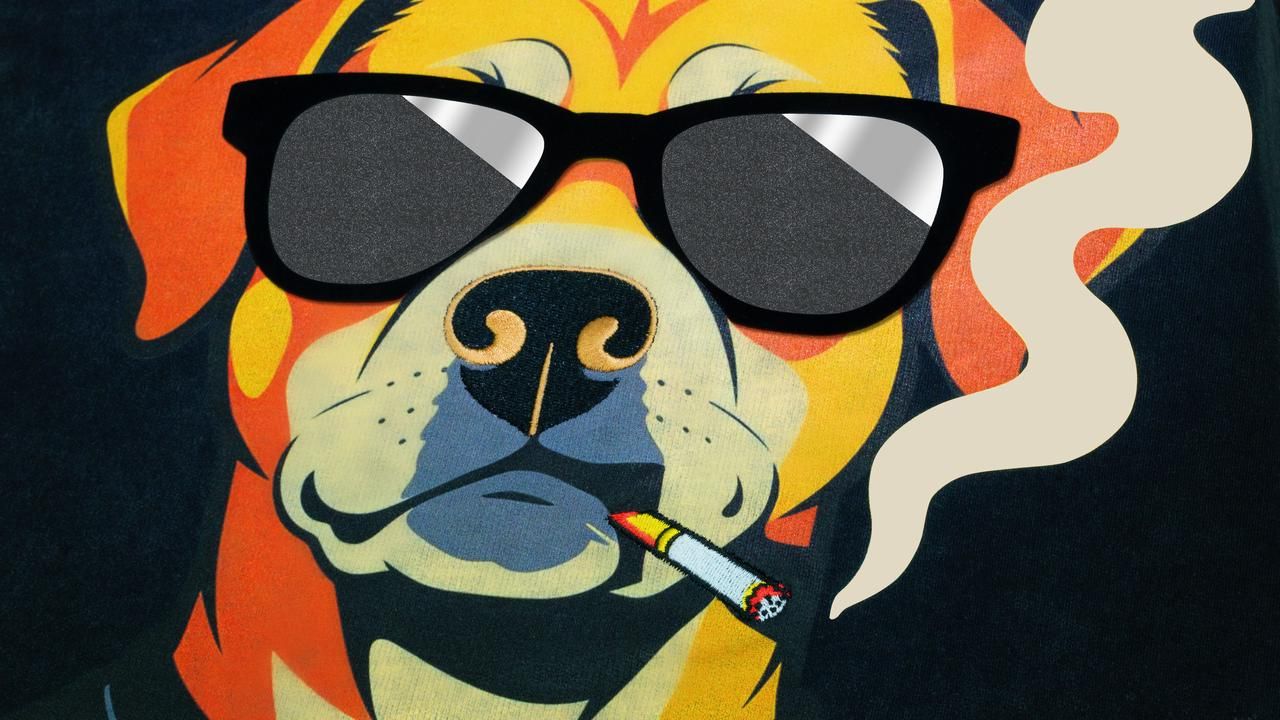
In the rapidly saturating world of e-commerce, the barrier to entry has never been lower. Anyone with an internet connection can open a Shopify store, upload a PNG file to a generic Print-on-Demand (POD) platform, and start selling t-shirts.
The result? A sea of sameness.
The market is flooded with 2D, flat, digital prints on mediocre cotton. For the consumer, the scrolling experience has become a blur of identical-looking merchandise. For the aspiring brand owner, this presents a terrifying challenge: How do you compete when everyone has access to the same tools?
The answer lies in a dimension that most POD platforms ignore: Texture.
High-end fashion has never been about flat images. Walk into a Supreme, Kith, or Off-White store, and run your hands over the garments. You will feel the raised ridges of embroidery, the smooth coldness of vinyl, the soft pile of chenille, and the heavy density of the fabric. Luxury is tactile. Value is something you can feel.
At PODpartner, we realized that for our users to compete with retail giants, they needed more than just a printer. They needed a construction crew.
This is the comprehensive guide to the Hybrid Process—PODpartner’s exclusive technology that fuses Direct-to-Garment (DTG), Heat Transfer Vinyl (HTV), and Embroidery into a single, retail-grade masterpiece.
Part 1: The Philosophy of "Mixed Media"
Why Texture Equals Value
Before we dive into the technology, we must understand the psychology of the high-end consumer.
In the digital age, we are starved for physical sensation. When a customer buys a premium streetwear hoodie, they are subconsciously looking for "weight" and "complexity." A simple DTG print, no matter how colorful, often feels "light." It dyes the fabric fibers, leaving the surface smooth.
Mixed Media disrupts this. By combining different materials, you create Visual Haptics—a phenomenon where the eye "feels" the texture before the hand even touches it.
- Contrast Creates Depth: When a matte cotton fabric meets a glossy metallic vinyl, the light reflects differently, catching the eye instantly.
- Complexity Signals Craftsmanship: A consumer understands intuitively that printing a picture is easy. But stitching a logo over a print? That looks like difficult, expensive manufacturing. It signals that a human being crafted this garment, justifying a higher price tag.
PODpartner’s Hybrid Process is the only solution in the dropshipping market that allows you to automate this level of craftsmanship without holding inventory.
Part 2: The Technology Behind the Magic
Defying the "Impossible" Workflow
Why don't other POD companies offer this? Why is PODpartner the only one?
The answer is Vertical Integration and Precision Engineering.
In a standard outsourced POD model, your order is routed to a random print shop. Asking that shop to print a shirt, then move it to a vinyl station, and then move it to an embroidery machine is a logistical nightmare. The alignment (registration) would be off. The print would be crooked relative to the embroidery. The failure rate would be astronomical.
PODpartner owns the factory. We built a proprietary workflow where:
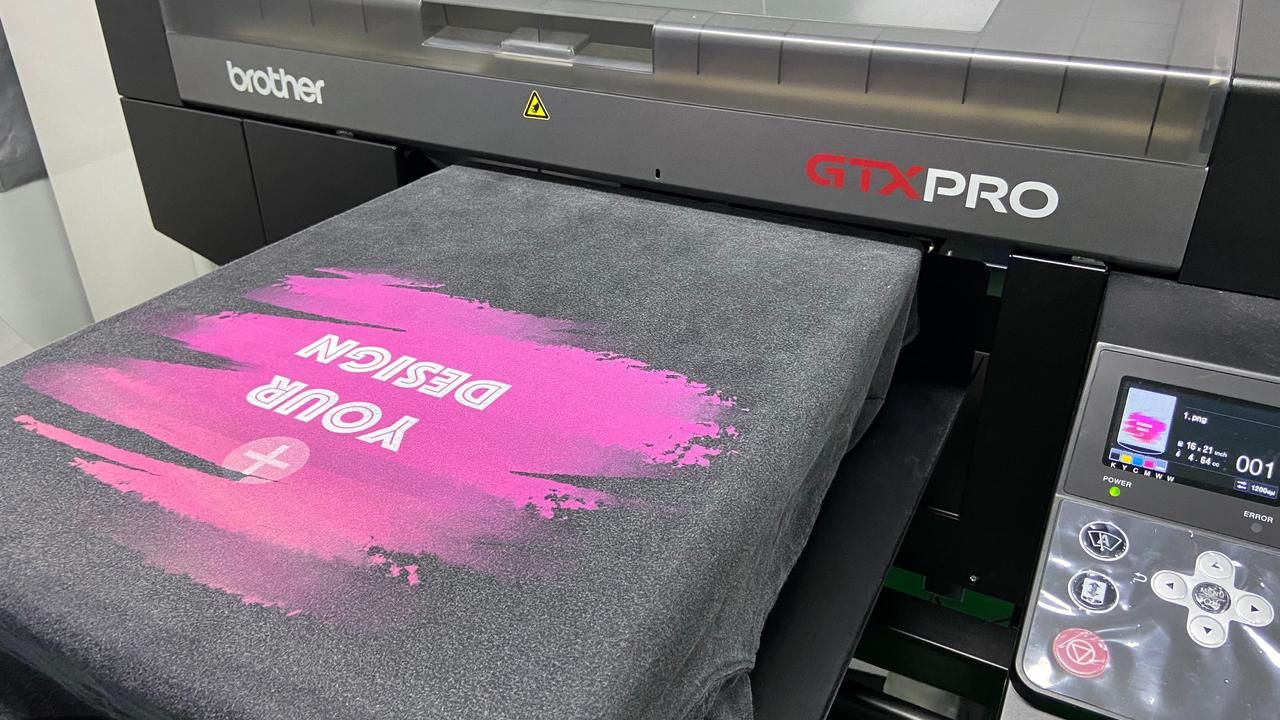
1. Digital Calibration: Our system breaks your design file into layers (Print layer, Cut layer, Stitch layer).
2. The DTG Canvas: The garment is first printed with our industrial Kornit printers to lay down the base artwork.
3. The HTV Structure: Using laser-guided alignment, the vinyl elements are heat-pressed with exact pressure and temperature settings to ensure they bond permanently to the ink and fabric.
4. The Embroidery Finish: Finally, the garment is hooped and moved to our embroidery stations, where the needle penetrates through the previous layers to lock everything together.
This "Triple-Hybrid" workflow is the result of years of R&D, ensuring that when you design a masterpiece, we can replicate it perfectly, every single time.
Part 3: Dissecting the Three Hybrid Modes
We offer three distinct Hybrid configurations, each serving a different aesthetic purpose.
1. The Triple-Hybrid: The Masterpiece Collection
(DTG + HTV + Embroidery)
This is the "nuclear option" of design. It utilizes every tool in the arsenal to create garments that look like limited-edition runway pieces.
How it works:
- DTG acts as the atmosphere. It handles the background, the smoke, the gradients, and the complex shading that other methods can't achieve.
- HTV provides the focal point. It adds a "hard" structure to specific elements—like a pair of sunglasses on a character or a bold typography overlay.
- Embroidery provides the luxury accent. It outlines the main subject or adds a premium stitched logo to the corner, framing the artwork.
Use Case: The "Hero" Piece
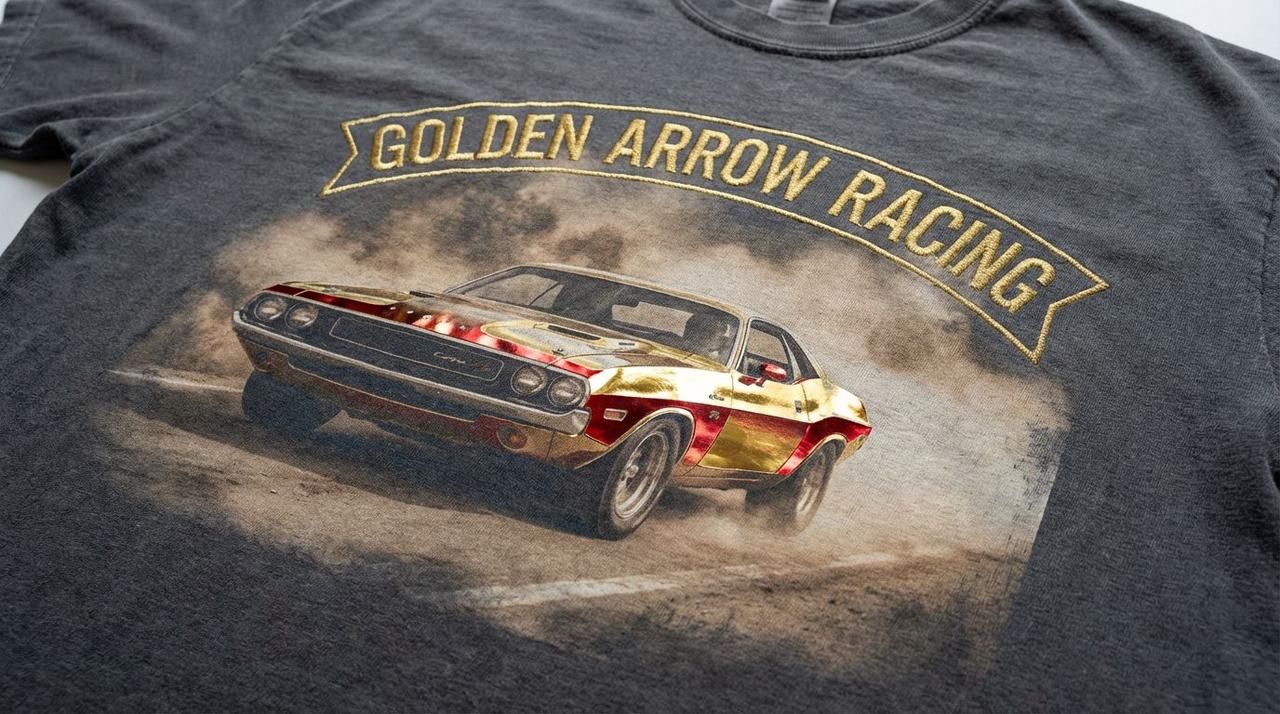
Imagine a graphic of a vintage race car.
- The smoke and road are printed in soft DTG to fade into the shirt.
- The car body is done in Metallic HTV, making it shine like real metal.
- The racing team name is Embroidered in gold thread across the top.
- Result: A shirt that looks like it costs $150.
2. HTV + Embroidery: The Elevated Icon
(Vinyl + Stitching)
This combination is the darling of the "Ivy League" and "Varsity" aesthetic. It replaces the need for expensive appliqué patches (which usually require MOQs of 500+).
- The Problem with Standard Embroidery: Large embroidery areas are heavy, stiff, and uncomfortable (the "bulletproof vest" effect). They also pucker the fabric.
- The Hybrid Solution: We use Velvet or Matte HTV as the "fill" color. This is lightweight and soft. Then, we use Embroidery only for the outline (satin stitch).
Use Case: Varsity Branding
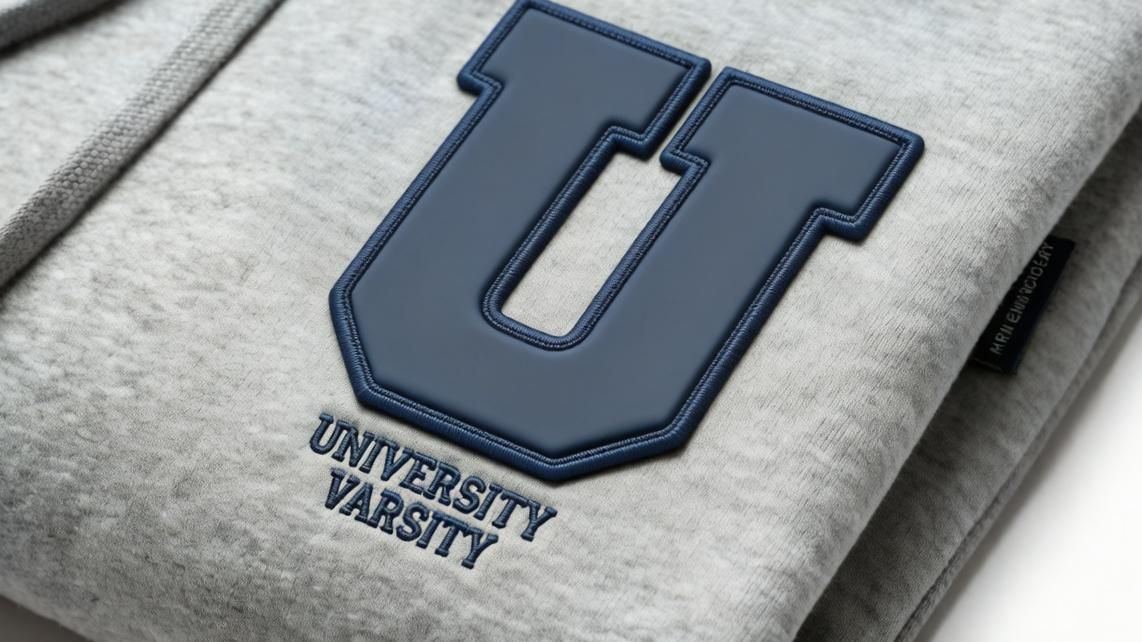
You want a giant "U" logo for your university-style brand.
- Instead of 50,000 stitches (which is expensive and heavy), we cut the "U" shape out of Navy Blue Velvet HTV.
- We then embroider a White Satin Stitch around the edge.
- Result: It looks exactly like a traditional chenille or tackle-twill patch, but it's lighter, cheaper, and fully on-demand.
3. HTV + DTG: Dimensional Artistry
(Print + Vinyl Overlay)
This mode is for the modernists. It's about the clash of "Soft vs. Sharp."
- The Aesthetic: DTG is naturally soft and blends with the fabric grain. HTV is sharp, plastic-like (in a good way), and sits on top of the fabric. Combining them creates a 2.5D effect.
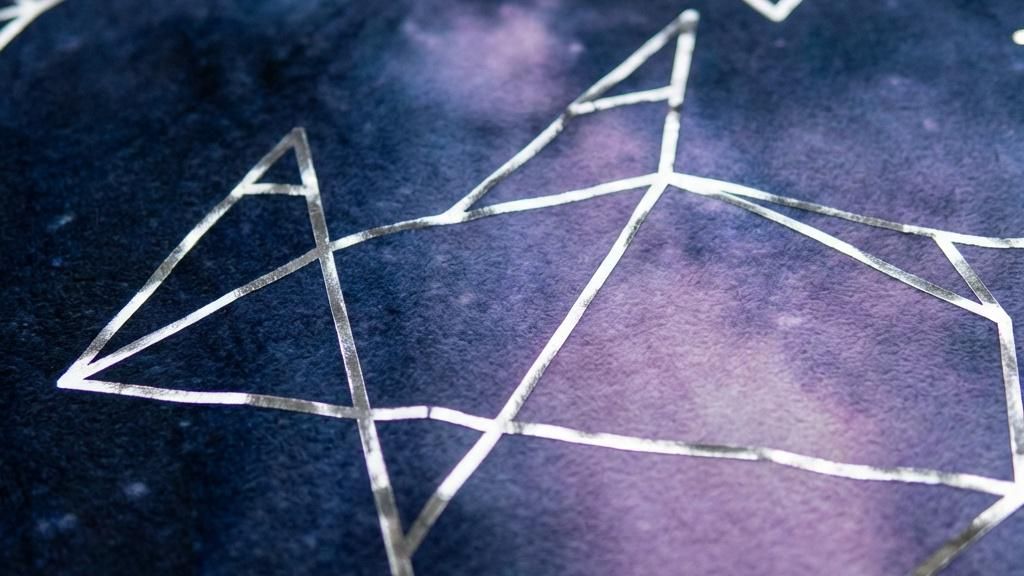
Use Case: Cosmic Minimalism
- DTG Layer: A soft gradient starfield background with subtle nebula colors (deep blues fading to purples) that blends naturally into the fabric.
- HTV Layer: Clean, geometric constellation lines in metallic silver HTV connecting key points, creating a modern star map overlay.
- Result: The sharp metallic lines appear to float above the dreamy cosmic background, creating depth and a premium feel that's both mystical and contemporary.
Part 4: A Guide to Designing for Hybrid
Designing for Hybrid requires a shift in thinking. You are no longer painting on a flat canvas; you are layering materials. Here are expert tips for your design team:
1. Think in Layers, Not Pixels
When creating your file, separate your art into "Background" (DTG), "Mid-ground" (HTV), and "Foreground" (Embroidery). Don't try to do everything with one method. Let DTG handle the complex colors and let HTV/Embroidery handle the bold shapes.
2. Leverage Negative Space
The beauty of Hybrid is the contrast. Don't cover the entire shirt in vinyl. Leave space for the DTG print to breathe, and leave space for the raw fabric to show through. The interaction between the heavy vinyl and the soft cotton is part of the charm.
3. Material Matching
- Velvet HTV + Embroidery: The ultimate luxury combo. Perfect for winter collections and hoodies.
- Metallic HTV + DTG: Great for music merchandise and retro-futurism.
- Glitter HTV + Flat Print: Adds a textured sparkle that contrasts beautifully with matte ink.
Part 5: The Business Case (ROI & Pricing)
You might be thinking, "This sounds expensive."
While the base cost of a Hybrid garment is higher than a standard DTG tee, the Return on Investment (ROI) is exponentially higher.
The Math of Perceived Value:
Standard DTG Tee:
- Cost: $15
- Max Retail Price: $30 - $35
- Profit: ~$15 - $20
- Competition: High.
Hybrid Heavyweight Tee:
- Cost: $22 - $25 (Estimated)
- Max Retail Price: $65 - $85
- Profit: ~$40 - $60
- Competition: Zero.
Because the product looks like a boutique item, customers stop comparing your price to Amazon or H&M. They start comparing you to Kith, Represent, or Stüssy. You are moving out of the "commodity" market and into the "designer" market.
Marketing Advantage:
Hybrid products are "thumb-stoppers" on social media.
- TikTok/Reels: You can film close-up ASMR videos scratching the texture of the embroidery or showing the light reflecting off the metallic vinyl.
- Photography: Macro shots of the different layers interacting create stunning visuals that flat prints simply cannot provide.
Part 6: Frequently Asked Questions (FAQ)
Addressing the technicalities of PODpartner's Hybrid Process.
Durability & Quality
Q: Will PODpartner’s Hybrid prints peel or separate after washing?
A: This is a common concern with mixed media, but PODpartner has solved it through industrial integration. We use proprietary binding agents and precise heat-press calibration. The HTV adhesive is formulated to bond with the DTG ink and the cotton fibers simultaneously.
- Wash Test: PODpartner garments undergo rigorous 20+ cycle wash tests to ensure retail-grade durability.
- Instructions: To maintain the premium finish, we recommend instructing customers to wash inside out with cold water.
Production & Logistics
Q: How long does PODpartner take to produce Hybrid Process orders?
A: While complex, PODpartner’s vertically integrated factory ensures speed. Although the complex coordination required for cross-line production (e.g., DTG + HTV) is typically time-consuming, thanks to our robust production capabilities, we require only 1 additional day to complete high-quality mixed-media production.
Q: Which PODpartner garments work best with the Hybrid Process?
A: The Hybrid Process is optimized for PODpartner’s Heavyweight Collection (250gsm - 400gsm). The dense, high-quality cotton provides a stable foundation for the multiple layers of ink, vinyl, and thread. We do not recommend using lightweight tees for Hybrid designs as the heavy embroidery requires substantial fabric support.
Design & Usability
Q: Is it difficult to use PODpartner’s design tool for Hybrid products?
A: No. PODpartner has built a specialized Product Creator Tool for this purpose. You simply upload your image files into the respective section (e.g., upload your background to the DTG section, upload your logo to the Embroidery section). You can manually adjust their specific positions directly in the designer.
Q: What are the color limits for PODpartner’s Hybrid printing?
A: PODpartner does its best to ensure that your designs are not limited.
- DTG Layer: Unlimited colors (CMYK+RG).
- HTV Layer: You choose from our library of special finishes (Velvet, Metallic, Glow, etc.). Usually, you select 1-2 types per design.
- Embroidery Layer: Up to 15 thread colors.
Conclusion: Construct Your Legacy
The fashion industry is at a turning point. The "Gold Rush" of cheap, easy Print-on-Demand is over. The market has matured, and customers have become sophisticated. They demand quality. They demand originality.
You have two choices:
- Continue fighting the "Race to the Bottom," competing on price with thousands of other sellers offering the same flat prints.
- Level up.
PODpartner’s Hybrid Process is your ticket to the second option. It is an invitation to stop being a "merch seller" and start being a Fashion Director. It allows you to produce garments that carry the weight, texture, and soul of a luxury brand, with zero inventory risk.
Don't just print. Construct.
Join PODpartner today, and let's build something real.
Further reading

No Order Minimums

No Membership Fees

No Unsold Stock

No Quality Concerns
Only Creativity, Satisfaction, and Profits!